

AI disclosure: This article was drafted with AI assistance and reviewed by our editor before publishing. Learn more.
Expensive coffee stops being worth it when the extra cost no longer buys measurable gains in flavor, time, or meaningful enjoyment compared with cheaper options you already accept. Use a simple threshold: if a single drink costs more than the value you assign to taste + time saved + experience (and it breaks a weekly budget you want to keep), it’s not worth it.
Direct answer: when premium coffee stops being worth it
Short answer: as the price rises, the incremental enjoyment typically shrinks once you’ve topped out your baseline goals for a day or week: quality, ritual, and time savings.
Longer answer: “worth it” depends on what you value—flavor consistency, time saved on brewing, social experience, and the story behind a bean. I recommend a threshold approach: quantify taste, time, and experience in dollars or points. Set a personal per-cup cap based on your budget and priorities, pick a realistic weekly cap, then test for 3–4 weeks and adjust.
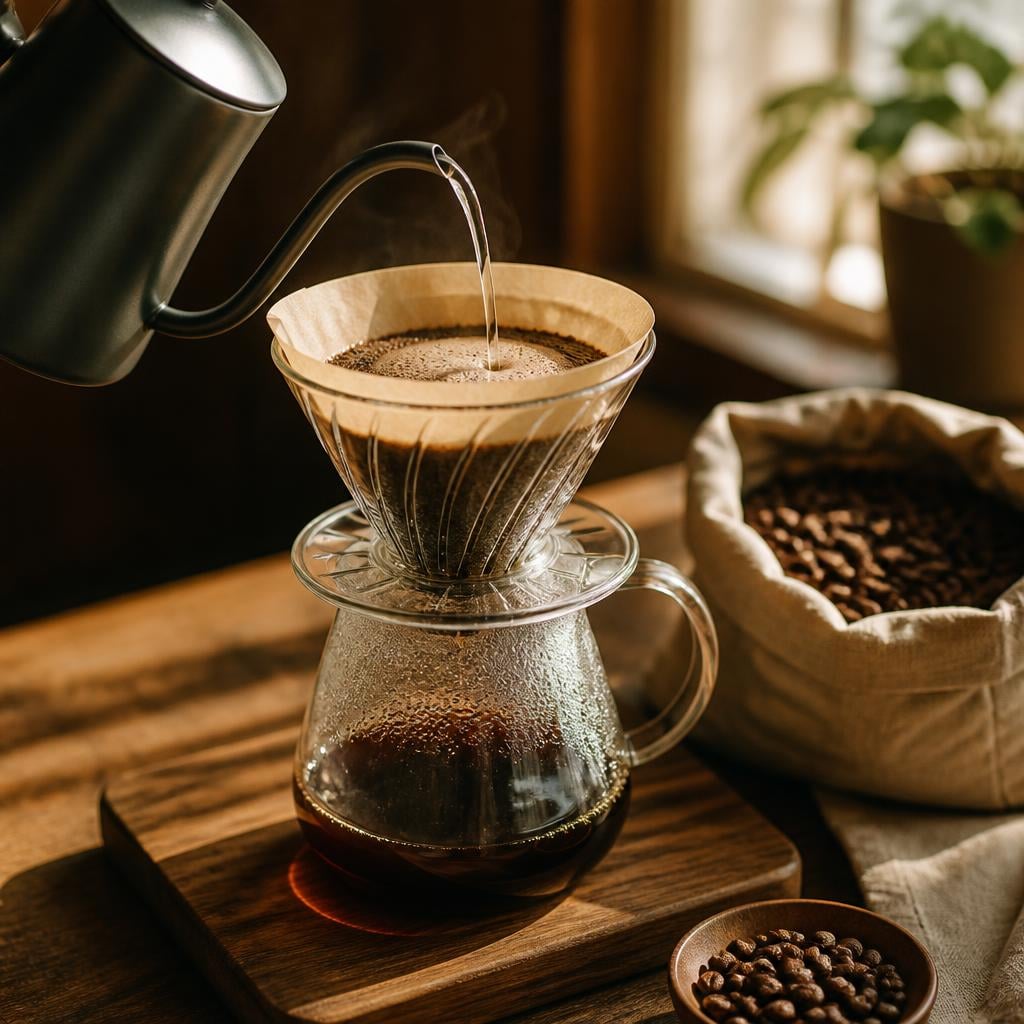
What makes expensive coffee feel worth it
Quality cues you actually notice
- Flavor depth: clearer single-origin notes (fruity, chocolate, floral) you can reliably perceive over multiple cups.
- Aroma: a stronger, cleaner smell that changes your first sip.
- Crema (espresso): thicker, persistent crema indicates better extraction and mouthfeel on espresso-based drinks.
Time saved or time gained
- Faster service or ready-to-drink formats are worth a premium only if you consistently use the saved minutes for something valuable (less morning stress, arriving on time).
- Cleaning and prep: paying for a café means no cleanup. Tally the minutes saved per visit and decide if they matter to your routine.
Ritual and ambiance
- Predictable results (same barista, same machine calibration) reduce disappointment. If ritual matters, place and people can justify a premium even for a small sensory gain.
Ethical and sustainability factors
- Traceability, direct trade, and fair pay add intangible value. If that matters, decide how much extra per cup you’ll accept for those assurances.
Personal health and habit alignment
- If premium coffee tastes better black and reduces sugar or milk, that can be a health and cost win. If you drink heavy milk- or sugar-forward drinks, subtlety may be lost and the premium wasted.
A practical framework: pricing, value, and trade-offs
Value drivers: taste, time, and experience
Assign a rough dollar value to each driver for your routine. Example framework:
- Taste improvement: $0–3 per cup
- Time saved: $0–4 per cup (value of minutes saved)
- Ambiance/service: $0–3 per cup
Add them to set a personal per-cup maximum. If a cup costs more than that, it’s probably not worth it for you.
If you want help with the math, try our Cost Per Cup Calculator to see how premium purchases stack up against home brewing.
Cost ceiling: set a personal cap
- Per-cup cap: pick a firm number you won’t routinely exceed. Don’t rely on a universal price range—base it on your budget and priorities.
- Weekly cap: set a maximum total spend that fits your broader budget. Keep bills and savings in view when you set this.
Use a simple budget planner if you want to fit cafe spending into a setup: Coffee Station Budget Planner.
Opportunity cost
Ask: what else could I buy or do with this money? If those alternatives would improve your life more than the drink, reconsider.
Frequency
If a premium drink replaces your daily cheap cup, costs escalate fast. If it’s an occasional treat (1–2/week), the budgetary impact is smaller and the premium keeps value.
Consistency
Premium is worth more when the experience is reliably superior. A hit-or-miss premium café is less worth it than a slightly cheaper, consistently good spot.
A table of data points to consider when pricing your coffee moments
Use this to calibrate whether a premium bean or drink fits your budget. Fill the right column with your own numbers; record your own figures rather than relying on generic examples.
| Item | Notes / Example | Your number |
|---|---|---|
| 1) Base price — standard coffee per cup | Record your actual prices and compute how premium compares to your baseline. | |
| 1) Premium coffee per cup | Record your actual prices and compute how premium compares to your baseline. | |
| 2) Time at shop per visit (minutes) | Estimate your own time spent at the shop versus brewing at home and compare to your routine. | |
| 2) Brewing at home per cup (minutes including cleanup) | Estimate your own time spent at the shop versus brewing at home and compare to your routine. | |
| 3) Estimated disposable waste per week (cups/filters) | Count disposables and factor any disposal or recycling costs. | |
| 4) Perceived flavor improvement (1–10 scale) | Use a simple 1–10 scale to track perceived improvement week to week. | |
| 5) Energy/caffeine impact difference | Note whether caffeine needs are met similarly at home vs. out. | |
| 6) Secondary value (ambiance/service/story) | Rate ambiance/service on a simple scale and include it in your per-cup value. |
Specific data points from the notes:
- No external sources were fetched for this topic.
- Use a flavor scale of 1–10 to quantify perceived improvement.
- Use a 4-week experiment (Week 1–Week 4) to evaluate behavior and spend.
- Table fields 1–6 are the recommended data points to track.
How to test value in real life: a 4-week mini-experiment
- Week 1 — Baseline: stick to your usual routine. Record per-cup price, time spent, and a quick taste score (1–10) for each cup.
- Week 2 — One premium drink: buy one premium cup that week. Note time, taste score, mood change, and any regret or reward.
- Week 3 — Two premium drinks: buy two premium cups that week. Track cumulative spend, any ritual changes, and whether novelty fades.
- Week 4 — Evaluate: add up dollars spent, total extra time saved (or lost), and average taste scores. Decide a weekly budget and a per-cup cap based on the results.
Tips: use a single spreadsheet column or a paper habit tracker. Record three things for every cup: price, minutes, and taste score. Add a one-line note about mood or context. If you want to track brew details, our Brew Ratio Calculator can help you keep recipes consistent.
Common scenarios and how to decide on each
Scenario A: premium coffee is slightly better but not predictably so.
- If quality is inconsistent, pay premium only when ambiance or service reliably adds value. Otherwise, stick with your standard.
Scenario B: premium coffee saves you significant time in the morning.
- If that saved time consistently improves your day (less rush, arriving on time), assign a higher dollar value to those minutes and accept a larger cap.
Scenario C: ethical or bean origin matters deeply to you.
- Decide how much traceability and direct trade are worth per cup and set that as your cap. Allow occasional splurges for direct-trade roasters but keep a weekly limit.
Scenario D: you drink coffee mainly for caffeine.
- If your at-home brew meets caffeine needs cheaply, premium sensory upgrades may be unnecessary. Buy premium as a treat, not a staple.
Scenario E: social or hobby value (barista relationship, café as workspace).
- Count the café as a third place. Factor in productivity or friendship value; if that’s high, a higher weekly coffee spend can be justified.
Alternative strategies: getting premium feel without the premium price
- Buy beans directly from a roaster and grind at home. Fresh beans plus good technique often outperform chain drinks. See my regular picks in What I’ve Been Brewing This Week.
- Control grind size and brewing time: small tweaks often matter more than an expensive bean. If you need a first grinder recommendation, read Baratza Encore vs Timemore C3: Which First Grinder?.
- Rotate premium drinks with a lower-cost favorite to keep splurges meaningful.
- Use seasonal or limited-release beans only for special weekends to preserve novelty and value.
Final notes
Set a per-cup cap and a weekly limit, run the 4-week test, and be honest about the results. The math is simple: price > (taste value + time value + experience value) = not worth it. Keep tracking until your cap matches your routine.
Watch the short version
Frequently asked questions
How do I know if I’m spending too much on coffee relative to other parts of my budget?
Track one month of coffee spend and compare it to your discretionary budget. If coffee is crowding out essentials—groceries, bills, savings—cut back. Set a percentage cap of your discretionary money for coffee and stick to it for a month.
What metrics should I track to assess whether premium coffee is worth it for me?
Track three simple metrics for 3–4 weeks: price per cup, minutes spent (or saved), and a taste score (1–10). Add a one-line context note for each cup. After the test you’ll see patterns and can set a per-cup and weekly cap.
Can I enjoy premium coffee without investing in expensive equipment at home?
Yes. Buy fresh beans from a local roaster, use a modest grinder, and learn one reliable method—pour-over or immersion. Technique and fresh beans often move the needle more than costly gear.
How do I compare value across different cafés with different price points?
Compare price + time + taste score + consistency. A cheaper but inconsistent cafe can cost more in disappointment. A pricier place that’s fast and reliable can be better value for your routine.
What role do ethics and sustainability play in deciding whether a premium cup is worth it?
Ethics add non-financial value you must quantify for yourself. Decide a fixed per-cup premium you’ll pay for traceability or fair trade and include it in your cap so the spending stays intentional.
Tools and gear mentioned
Free tool
Coffee Brew Ratio Calculator
Coffee-to-water for pour-over, French press, AeroPress and espresso.
Open calculatorFree tool
Cost Per Cup Calculator
What your home coffee really costs versus the café.
Open calculatorFree tool
Coffee Station Budget Planner
Pick a space and a budget tier and get an itemised shopping list.
Open calculatorFree tool
Caffeine Calculator
Caffeine per drink and your daily total against the 400 mg guideline.
Open calculator