You can approximate some textural aspects of Turkish coffee with a steam wand, but you cannot make an authentic Turkish coffee with it. Turkish coffee depends on extra-fine grounds suspended in nearly boiling water and a long, gentle extraction; a steam wand can add agitation and foam but cannot replace the extraction and particle suspension that the cezve method gives you.
Can you make Turkish coffee using a steam wand? In short
Direct answer
No, a steam wand alone will not produce an authentic Turkish coffee. You can try techniques that copy the feel and foam, but the grind, water chemistry, controlled gentle heating, and the way the fine particles suspend are what make Turkish coffee distinct.
What Turkish coffee requires versus what a steam wand delivers
| Feature | Turkish coffee requirement | What a steam wand gives |
|---|---|---|
| Grind size | Extra fine - like sugar | Wand does nothing to change grind |
| Coffee dose | 7-9 g per small cup (70-90 ml) | Wand irrelevant to dose |
| Water temperature | Near boiling - 92-96 °C | Wand heats steam; will agitate and add tiny bubbles |
| Suspension of particles | Gentle rising, no filtration; long contact | Wand agitates and can create foam but tends to separate particles or over-oxygenate |
| Foam type | Fine, glossy crema on top of brew | Aerated microfoam-like bubbles, but not the same body or mouthfeel |
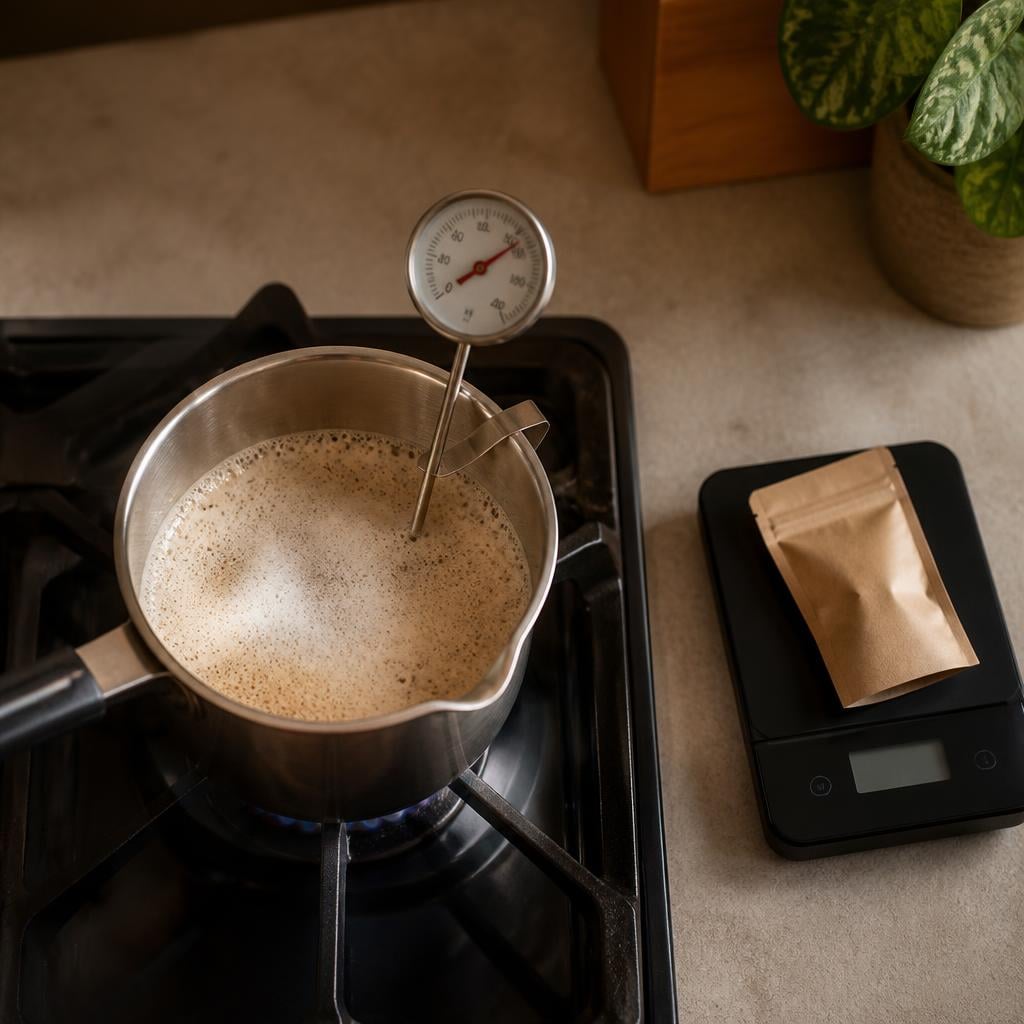
What makes Turkish coffee unique
Finely ground coffee and nearly boiling water
Turkish coffee uses an extra-fine grind, often described as “extra fine like sugar.” That superfine powder extracts quickly and remains suspended in the cup. Typical ratios are 7-9 grams of coffee per small cup - a serving size around 70-90 ml - and water heated to roughly 92-96 °C as it comes to a boil in the cezve.
The brew size and serving style
Servings are small and meant to be sipped. The grind is so fine you do not filter it out, so the body and texture come from the suspended solids as much as the dissolved compounds. Sugar can be added during grinding or in the cezve: commonly none to 1 teaspoon per cup depending on preference.
Foam and crema expectations
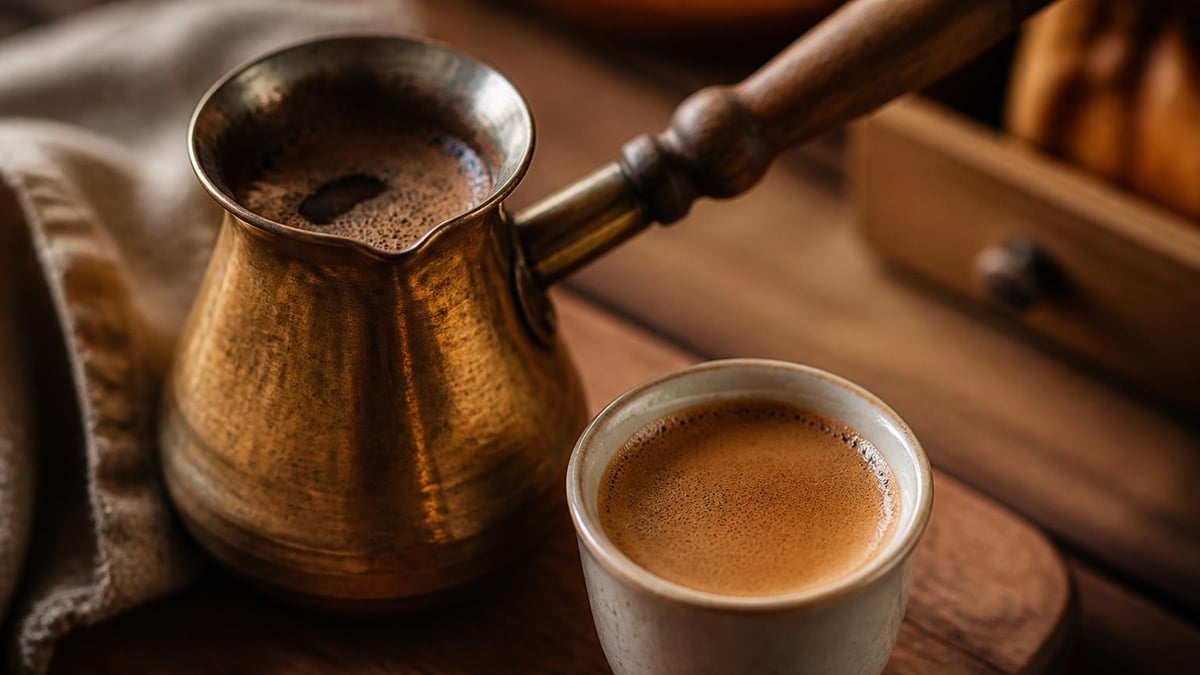
People expect a thin, glossy foam on top, not a billowing cappuccino crown. That foam is produced by gentle heating and rising gases as the brew reaches near boiling, plus some oils and fine solids forming a stable surface layer. It is not pure air trapped in milk or espresso crema; its character is tied to the extraction and particle load.
Why a steam wand falls short for authentic Turkish coffee
Texture and particle suspension
A steam wand introduces steam, heat, and agitation focused on aerating liquids. It will create bubbles and rapid movement, which tends to separate particles from the bulk liquid rather than keep them evenly suspended. Turkish coffee relies on fine particles staying distributed without filtration; the wand typically forces flotation or clumping.
Control over heat and agitation
You need gentle, gradual heating to build foam and keep particles in suspension while the brew nears boiling. Steam wands deliver sudden localized heating and strong shear forces. That means you risk overheating, scalding, or disrupting the extraction chemistry.
Pressure and extraction differences
Turkish coffee is made at atmospheric pressure with direct heating in a small pot. A steam wand uses pressurized steam and localized energy transfer. It will not increase dissolved solids the same way a slow rise to near-boil does, so the taste and mouthfeel will differ even if the surface foam looks similar.
Practical experiments you can try with a steam wand
I like to experiment in small, controlled steps. If you want to try, treat the steam wand as an agitator and foam tool, not a primary brewer.
Low risk approaches to approximate texture
- Make the coffee properly in a small cezve or a small saucepan first: use 7-9 g coffee per 70-90 ml water, extra-fine grind, and heat slowly to 92-96 °C. Do not boil over.
- After you remove the cezve from heat and the grounds are settled but still suspended, give one short pass with the steam wand to create a finer surface foam - 10-30 seconds per pass is the usual range in experimentation.
- Alternatively, do the whole brew in a small heatproof container and use the steam wand to agitate briefly (10-30 seconds) to suspend some particles and encourage a thin foam.
Safety and cleanliness reminders
- Steam is very hot. Keep hands away from the frothing tip and wear a kitchen towel if you need to steady small vessels.
- Use only heatproof, stable vessels. A small glass cup can pop with sudden heat shock.
- Clean the wand promptly after use to avoid clog and taste transfer.
What to measure if you experiment
Track these data points so you can compare:
- Grind size: extra fine like sugar.
- Coffee dose: 7-9 g per 70-90 ml cup.
- Water temperature entering brew: aim 92-96 °C.
- Sugar: 0 to 1 teaspoon per cup during grinding/serving.
- Steam wand passes: length 10-30 seconds per pass and number of passes.
- Time from final heat to serving: seconds to a minute, since cooling affects foam and suspension.
Alternative methods that get you close
Stovetop cezve with a wide base
Use a proper cezve if you can. A wider base lets heat distribute a bit more evenly in small batches and helps create a consistent foam. It is the most authentic and low-cost route. If you are fitting a small coffee corner, see my notes on setup in this piece about how to set up a coffee station in a small apartment - /coffee-stations/how-to-set-up-a-coffee-station-in-a-small-apartment/.
Moka pot as a compromise
A Moka pot gives a fuller body than drip and more concentrated flavor, but it uses pressurized water and metal extraction that is not the same. It produces a stronger cup but not the same suspended-particle mouthfeel.
Immersion blender hack you can actually use
If you do not have a cezve and want that thicker mouthfeel, brew extra-fine grounds in hot water in a small jar and pulse briefly with an immersion blender to suspend more solids and make a velvety surface. Use short bursts of 3-5 seconds; long runs heat the brew and oxidize oils. This will be rougher and less traditional, but effective and safer than fighting a steam wand in a tiny cup.
I wrote about the beans and brews I use each week in this post - /drinks/what-ive-been-brewing-this-week-honest-coffee-bean-picks-and-how-i/ - which can help you pick roasts that stand up to this style of extraction.
A simple workflow you can follow
Here is a practical, numbered workflow you can try this weekend using common tools. I tested a version like this in my kitchen and noted the variables below.
- Weigh 7-9 g extra-fine coffee (extra fine like sugar) for a 70-90 ml cup. Add 0 to 1 teaspoon sugar now if you want it sweet.
- Add the coffee and 70-90 ml cold water to a small cezve or a small heatproof saucepan. Stir to combine.
- Place on low heat and warm slowly, watching for foam to rise; remove just as it starts to foam and before it boils. Aim for 92-96 °C. (If you do not have a thermometer, remove when it starts forming small bubbles and rising foam.)
- Let the vessel sit for 10-20 seconds so heavy grounds settle lightly, but leave most solids suspended.
- If you want extra surface foam, apply the steam wand at the surface for one short pass 10-30 seconds long. Hold the tip 1-2 cm above the surface and sweep gently to avoid digging into settled grounds. One pass is usually enough.
- Pour gently into a small cup, leaving the last bit with most grounds in the cezve. Serve immediately.
Track: grind, dose, starting water temp, time to foam, steam wand pass duration. Compare taste and texture across trials.
Care and maintenance for equipment when testing
Cleaning tips after experimenting
After each run flush the steam wand with water, then do a quick wipe with a damp cloth to prevent flavor carryover. If milk or oily coffee residues were present, run a brief steam purge and wipe again. These steps are enough for day-to-day cleaning after experiments.
Preventing taste carryover between brews
If you are switching between coffee styles or milk drinks, purge the wand into a sink, wipe it clean, and run 1-2 seconds of steam into a separate container of water before using it on your next drink. Also clean any small vessels or spoons that held coffee grounds so oils do not linger.
Careful note on tools and machines
A steam wand is useful for milk drinks and for finishing some brews, but it is not a substitute for a proper cezve or for controlled stovetop heating. If you are thinking about buying gear to support small-batch brewing, this piece on why some smart coffee machines are less common - /gear/why-arent-smart-coffee-machines-more-common/ - explains some trade-offs I think about when I add a new tool to my counter.
Frequently asked questions
Can a steam wand replicate the foam and body of Turkish coffee?
A steam wand can create a surface foam that looks somewhat similar, but it aerates and disturbs particle suspension. Turkish coffee’s body comes from extra-fine grounds suspended after a gentle near-boil extraction. Use the wand only as a finishing tool for a thinner surface foam; it will not reproduce the same mouthfeel or particle distribution.
What are the key differences between Turkish coffee and methods using a steam wand?
Key differences are grind - extra fine like sugar - and slow, atmospheric heating to 92-96 °C that keeps fine particles suspended. A steam wand uses pressurized steam and strong agitation, which changes extraction, encourages flotation of solids, and alters mouthfeel and flavor balance.
If I only have a steam wand, what is the best approach to approximate Turkish coffee?
Brew traditionally in a small pot first with 7-9 g coffee per 70-90 ml and heat slowly to 92-96 °C. After removing from heat and allowing a brief 10-20 second settle, use the wand for a single short pass of 10-30 seconds at 1-2 cm above the surface to encourage finer foam without over-agitating.
How do I clean and reset my equipment after experimenting with strong coffee methods?
Flush the steam wand with water, wipe it with a damp cloth, and run a brief steam purge into a separate container if needed. Clean any small vessels or spoons that held grounds to remove oils. Doing this after each run prevents taste carryover.
Are there safer or more reliable methods to achieve a Turkish coffee-like result at home?
Yes. A stovetop cezve is the most authentic and lowest-cost method. A Moka pot gives more concentration but not the same suspension. An immersion blender pulsed briefly for 3-5 seconds on extra-fine grounds in hot water can create a thicker mouthfeel if you lack a cezve.
Tools and gear mentioned
Coffee Brew Ratio Calculator
Coffee-to-water for pour-over, French press, AeroPress and espresso.
Cost Per Cup Calculator
What your home coffee really costs versus the café.
Coffee Station Budget Planner
Pick a space and a budget tier and get an itemised shopping list.
Caffeine Calculator
Caffeine per drink and your daily total against the 400 mg guideline.