You make a cup of coffee you really enjoy, then forget which grinder setting or water amount you used. The next morning, the bag is the same but the details have disappeared. A small brew log gives those details somewhere to land.
Start with a few lines in a notebook or phone note. Record how you made the coffee, what you noticed and what you want to do next time. The useful page is the one you can understand while making another cup, without decoding a long account of yesterday’s breakfast.
This is a practical home routine. It does not require a professional tasting sheet, a numerical score or a new set of equipment.
Decide what you want the log to remember
Choose one purpose before drawing columns. Perhaps you want to repeat a favorite pour-over, remember which bag you enjoyed with milk, or find the grinder setting you used for the weekend brewer. That question determines which details deserve space.
A log intended to repeat a recipe needs measurements. A note intended to remember a purchase needs the coffee’s identity and your impression. You can include both, but avoid adding fields simply because another person’s notebook has them.
Give each entry a date and a recognizable coffee name. Keep the roaster’s label information available if it helps distinguish similar bags. If you copy the bag’s tasting notes, label them as the roaster’s description so they remain separate from your own observations.
Use three small sections
A compact entry can hold a recipe line, a tasting line and a next-step line. Keep that structure consistent for a few brews before deciding what else you need.
| Section | Useful information | Example prompt |
|---|---|---|
| Recipe | Brewer, coffee amount, water amount, grind setting | What would I need to repeat this? |
| Impression | A short description and whether you enjoyed it | What stood out in the cup? |
| Next step | Repeat it or change one chosen detail | What will I do next time? |
Add timing if it is part of your brewing method. Record temperature when you actually measure or set it. An empty field is more honest than a number guessed afterward.
If you use different grinders, include the grinder’s name beside its setting. Write enough context that a future entry makes sense on its own. A number without the equipment name may be hard to interpret after you move to another setup.
Put the recipe on one readable line
Write the measurements while they are in front of you. For a manual brew, that might mean noting the coffee amount after weighing it and the water amount after finishing the pour. You do not need to interrupt every movement to write a paragraph.
Here is an illustrative entry, not a tested recipe or a recommendation for every brewer:
- Coffee: the current bag, identified by its label.
- Brewer and grinder: the equipment used, with the actual grind setting.
- Coffee and water: 18 grams of coffee and 288 grams of brewing water.
- Impression: your own short note after tasting.
- Next step: repeat the same amounts before deciding on another change.
Those example amounts form a 1:16 coffee-to-water ratio because 18 multiplied by 16 is 288. The brew ratio calculator can help you calculate amounts for a deliberate change in batch size. Record the amounts you used, even if they differ from your original plan.
For paper-filter brewing, our filter fit and preparation guide covers the preparation details worth keeping consistent. You can note the filter packet once at the top of a page instead of rewriting it for every entry.
Describe the cup before hunting for impressive words
Take a moment to notice the coffee when it is comfortable to taste. Start with language you understand: light, heavy, fruity, roasted, pleasant or drying. Your note should help you recognize an experience, rather than make the page sound authoritative.
The Specialty Coffee Association’s guide to its flavor wheel suggests starting with general descriptors near the center and moving outward toward more specific ones. It also explains that you can stop along the way. You do not need to name a particular fruit when a broader description is all you notice.
Keep uncertainty in the entry when it is useful. A phrase such as perhaps fruity, but hard to identify preserves what you observed. You can revisit it another day without treating the first wording as a verdict.
World Coffee Research’s sensory lexicon defines flavor, aroma and texture attributes and supplies references for measuring their intensity. It is a research resource, not a checklist your breakfast must complete. Use the source when you want to understand a term, while keeping your everyday log short.
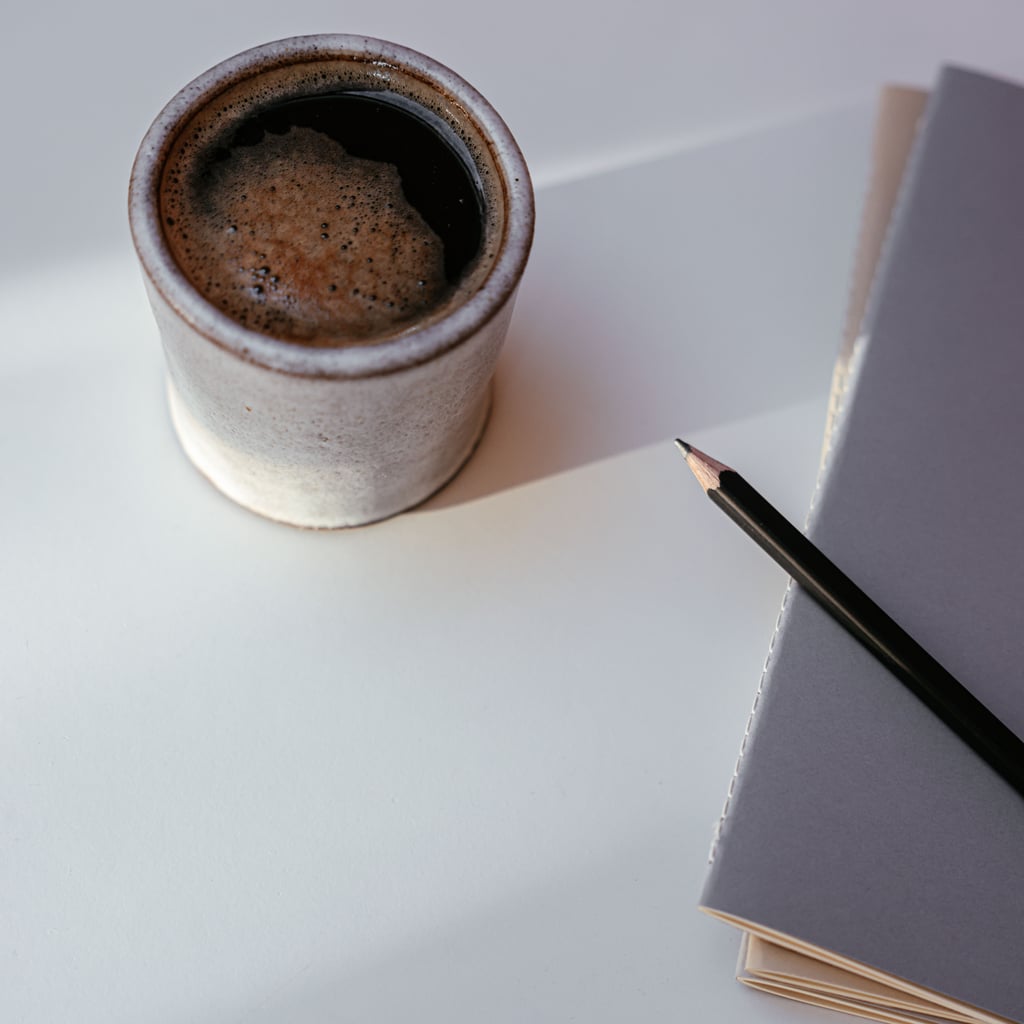
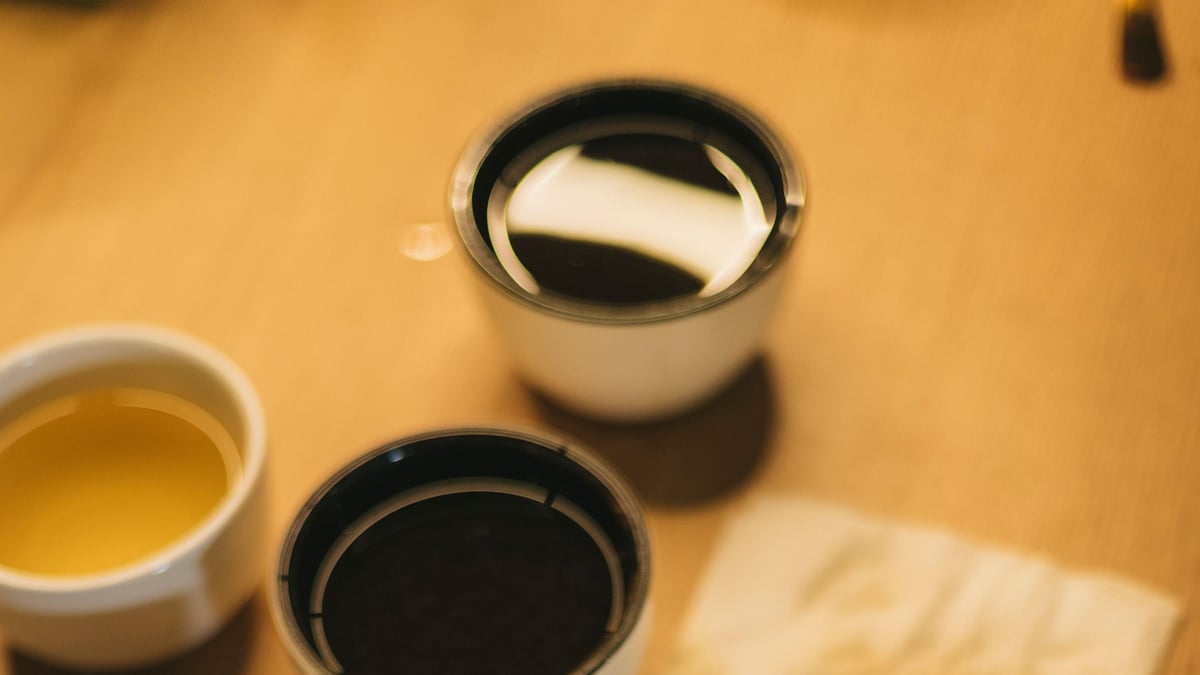
Photo: Cup of Couple on Pexels. Keep a pencil or a phone note within reach so the observation has somewhere to go.
Separate your impression from your next experiment
I enjoyed this cup and this cup was made with these settings are useful statements. Neither requires you to establish that the settings caused every flavor you noticed. Keeping the observation and the next action on separate lines helps avoid that leap.
For example, you might record that the cup felt too strong for your preference, then decide which single recipe detail to investigate next. Write the intended change before the next brew and record what you actually did afterward. If several things changed, say so.
Do not turn a busy morning into an exercise in perfect control. If you changed the bag, forgot the timer and added milk, record the useful parts and move on. That entry can still tell you whether you enjoyed the drink, even when it cannot support a careful comparison.
Mark the entries you want to repeat
Use a small star, a bookmark or a repeated word to mark cups worth making again. Keep the meaning simple: repeat means you would like to use that recipe again. It does not need to become a rating of the coffee’s overall quality.
When you find a reliable combination, copy it to a short favorites page. Include the coffee identity, equipment and measurements, then leave room for the next bag. Your working log can remain untidy while the favorites page stays easy to consult.
For a shared kitchen, add initials only when they help identify whose preference the note describes. Two people can enjoy different results without needing to combine their impressions into one score.
Keep the habit close to the brewer
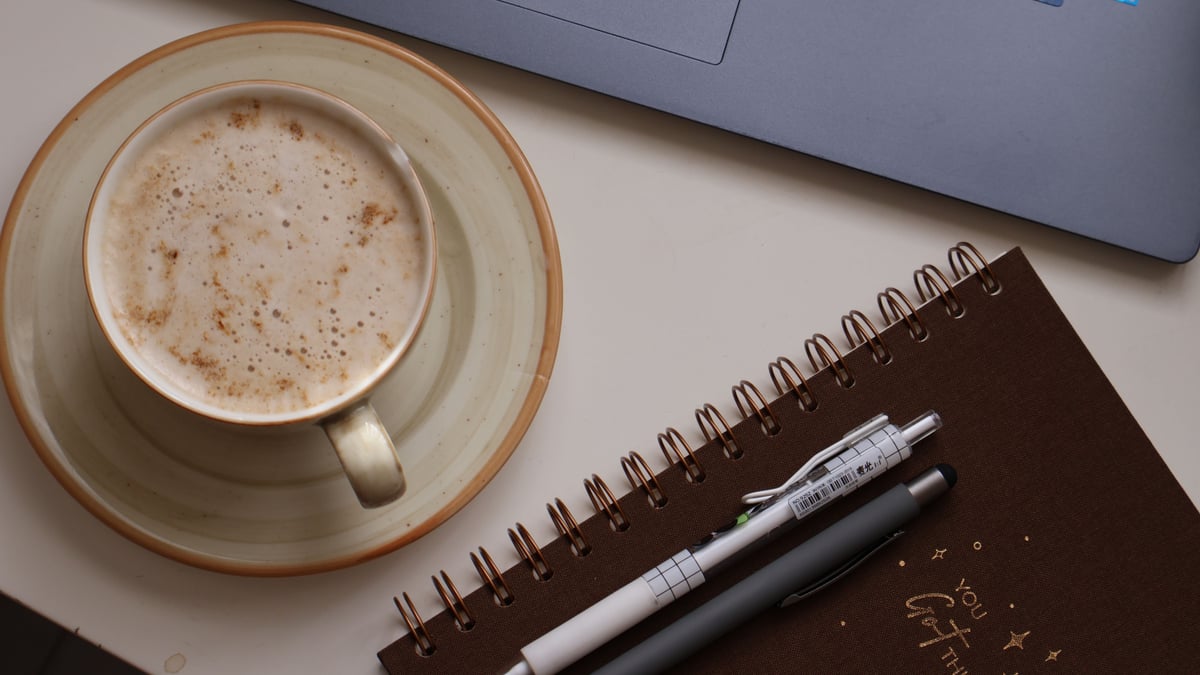
Put the notebook somewhere dry and easy to reach, away from spills and hot equipment. If a phone is more convenient, use one note with the newest entries together. Choose the format you will open while brewing rather than the format that looks most complete.
Try making an entry for a few ordinary brews. Afterward, review the fields you actually used. Remove anything that repeatedly stays empty unless it answers a question you still want to explore. A shorter log is easier to maintain when the kitchen is busy.
Keep storage decisions separate from the notebook. Our small-kitchen coffee storage guide can help give the current bag a consistent home. The log then records what you brewed, while the cupboard holds the coffee between cups.
Let the next cup decide what stays
Before brewing again, glance at the previous entry and choose one action: repeat it, make one planned change or simply enjoy the coffee without writing today. You do not owe the notebook a complete record of every drink.
When the page helps you repeat a cup you liked, it has done its job. Keep those useful details, leave room for your own words and let the record grow at the pace of your actual coffee routine.
Frequently asked questions
Do I need a dedicated coffee journal?
No. A notebook or phone note can hold the recipe, a short impression and the next step you want to try.
Should I copy the tasting notes printed on the bag?
You can save them as the roaster’s description. Keep them separate from the words you use for your own cup.
Is the 18-gram example a tested brewing recipe?
No. It illustrates a 1:16 calculation: 18 grams of coffee multiplied by 16 gives 288 grams of brewing water.
Tools and gear mentioned
Coffee Brew Ratio Calculator
Coffee-to-water for pour-over, French press, AeroPress and espresso.
Photo credits
Photo (pin 1): azra melek on Pexels, Pexels License
Photo (pin 2): azra melek on Pexels, Pexels License
Photo (inline 1): Cup of Couple on Pexels, Pexels License