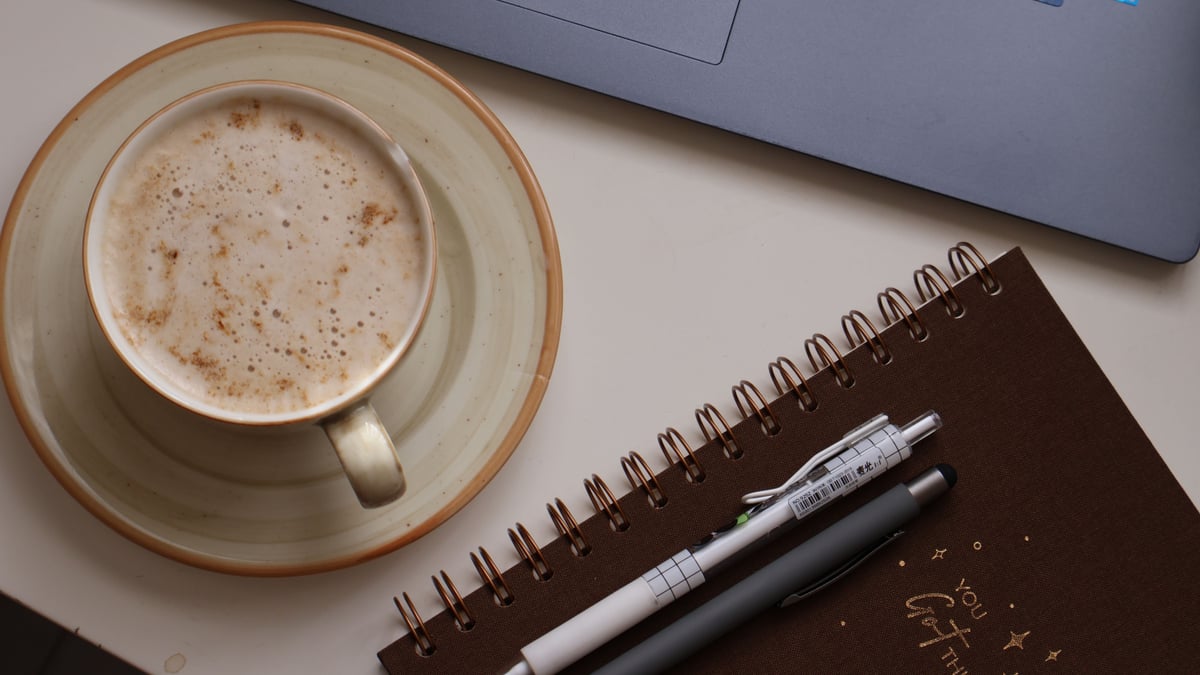
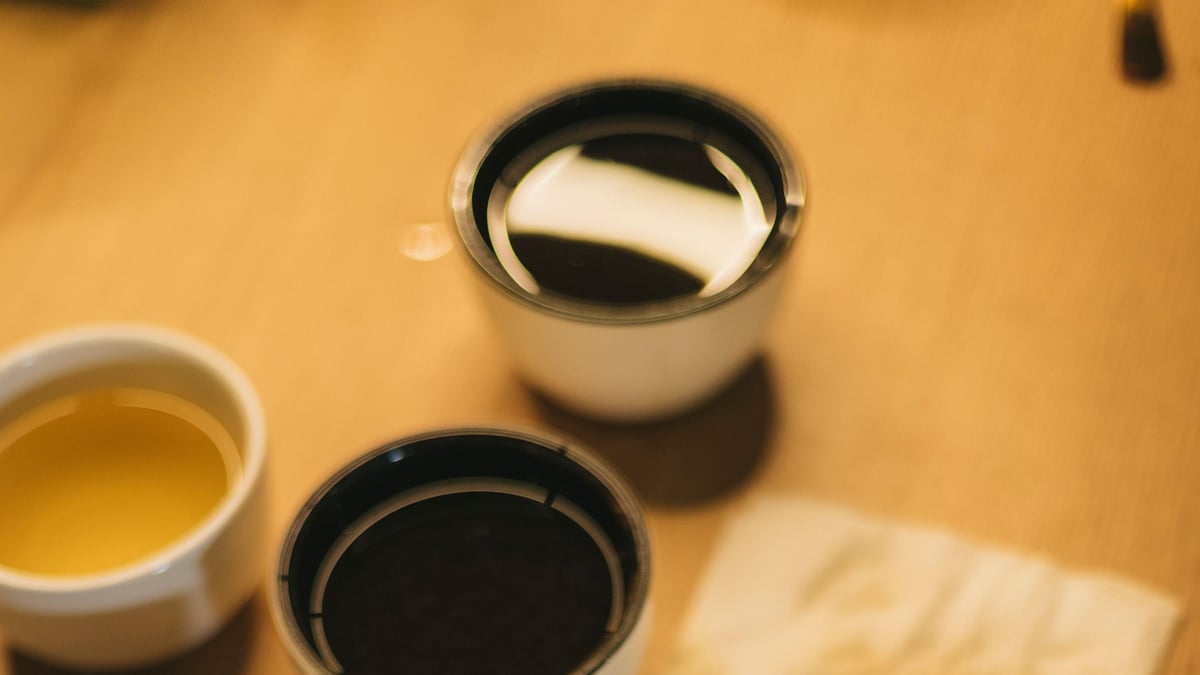

A coffee tasting flight does not need special equipment, expert vocabulary, or a formal score sheet. Set out two or three coffees, brew them in a consistent way, and give yourself a few quiet minutes to notice what differs. The point is not to identify the best coffee by an outside standard. It is to find out what you enjoy and to make your next coffee purchase a little more informed.
This is casual home tasting, not professional cupping. Professional sensory work follows defined methods for preparing and evaluating samples. A home flight can borrow the simple idea of comparing coffees while staying flexible, personal, and low pressure.
What a home tasting flight is
A flight is a small group of drinks served together for comparison. For coffee at home, two coffees are plenty. Choose three if you would like a wider contrast, but more cups can make it harder to remember what you noticed in each one.
You can compare coffees you already have, or choose bags that differ in a way you are curious about. For example, you might pick coffees with different roast levels, growing regions, or processing descriptions. Treat the bag information as context, not a promise about what you will taste. Your own impressions are the useful part of the exercise.
Keep the goal modest. You are not proving that one coffee is superior, and you do not need to guess its origin or identify every flavor. You are building a clearer sense of which cups feel brighter, rounder, lighter, richer, or simply more appealing to you.
Choose coffees and prepare the table
Use coffees that are reasonably fresh and that you would be happy to drink. If you are opening new bags, keep the beans protected from air, light, heat, and moisture between brews. Our guide to storing coffee beans in a small kitchen covers practical ways to make room for them.
Gather your usual brewer, enough cups for each coffee, a way to label them, water, and a pen or phone for notes. Similar cups make the comparison easier to follow, but matching cups are not essential. Small servings are useful because you can taste each coffee more than once without making a full mug of every option.
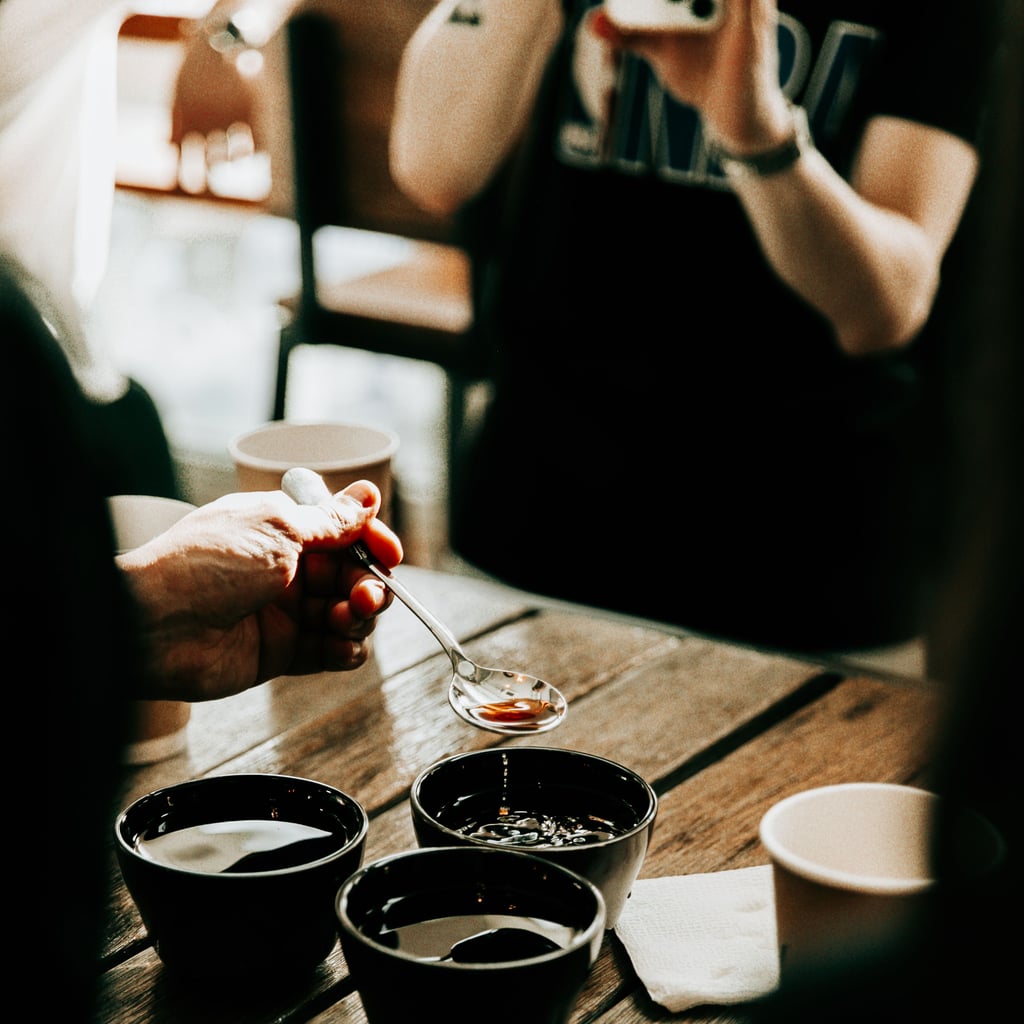
Image credit: Pexels.
Before brewing, write down the coffee names or assign each one a letter. If you have someone to help, they can label the cups without telling you which is which. That can make the experience more playful, but there is no need to make it a blind test. Knowing what you are drinking is perfectly fine.
Keep the brewing routine consistent
For a fairer home comparison, use the same brewer and your saved recipe for each coffee. Keep the serving size and other choices as consistent as you reasonably can. This is a practical home routine, not SCA protocol, and it does not guarantee that every coffee will taste its best under the same settings. It simply gives you a shared starting point for noticing differences.
If you need to settle on a recipe you can repeat, the brew ratio tool can help you keep track of the proportions you use. There is no special tasting-flight recipe required. Use a routine you already know, rather than changing several brewing variables at once.
If you brew each coffee one after another, note the order and try to serve them close together. If timing is awkward, focus on what you can compare and do not worry about making the setup exact. A home flight is a way to pay attention, not a controlled experiment.
Set up and taste your flight
-
Label the cups. Write each coffee name or use A, B, and C. If you are tasting with someone else, agree on a simple way to keep the labels straight.
-
Brew each coffee with the same routine. Use the same brewer and saved recipe. You can make a small serving of each, or brew enough to share. Try to keep the cups in the same order as your labels.
-
Look and smell before sipping. Notice the color and the first aroma that comes to mind. There is no right answer. You might write something broad such as sweet, toasted, fruity, earthy, or hard to describe.
-
Take a small sip of each coffee. Move between the cups at a comfortable pace. Ask yourself whether one seems brighter, softer, heavier, or more familiar. If you want, take another sip before writing anything down.
-
Use plain language. Record what you actually notice, not what you think the coffee is supposed to taste like. A note such as smooth and cocoa-like is useful if it reflects your impression. So is not my favorite.
-
Return to the cups. Taste them again in a different order if that helps you compare. You can have water nearby if you would like it, but there is no required palate-cleansing step for this casual activity.
-
Choose a favorite, or do not. Note which one you would most like to drink again, and what influenced that choice. If none stands out, that is a valid result too.
A simple table keeps the notes focused. Leave room for your own descriptions rather than trying to fill every box.
| Coffee | First aroma or impression | What stands out in a sip? | Would I drink it again? |
|---|---|---|---|
| A | |||
| B | |||
| C, optional |
Find words without forcing a verdict
It is easy to feel that tasting notes need to sound polished. They do not. Start with broad impressions, then add detail only if a particular word feels right. You might move from sweet to something more specific, or decide that the cup is simply gentle and easy to drink. Use the terms that help you remember the coffee.
The Specialty Coffee Association describes standards as shared frameworks, and SCA-102 covers sample preparation and tasting mechanics. Those standards support consistent work across settings; following a casual home routine does not make it professional cupping. The SCA’s guide to using the flavor wheel says the wheel can be used for casual tasting or professional cupping. It recommends mindful tasting and guides users from general descriptors near the center toward more specific terms on the outside. You can use that approach as a prompt without treating the wheel as a checklist.
The World Coffee Research Sensory Lexicon identifies 110 flavor, aroma, and texture attributes and provides intensity references. It was created for research and trained sensory work. You may find its vocabulary interesting, but you do not need the lexicon to host a home flight, and your informal notes are not equivalent to its trained assessments.
Keep the notes useful for next time
After tasting, write one short takeaway for each coffee. Include the name, what you liked or did not like, and whether you might buy it again. A simple brew log can help you keep those impressions together with the recipe you used. Over time, you can look back at the coffees you chose and the descriptions that mattered to you.
If you want to repeat the flight another day, change just one part of the setup at a time. You might compare a different pair of coffees while keeping your brewer and saved recipe the same. Or you might brew a favorite coffee with a small adjustment and make a separate note. Keeping the question narrow makes the comparison easier to remember.
A good home tasting flight is less about finding perfect language than making a little room to notice. Two cups, a familiar brewing routine, and a few honest notes are enough to begin.
Frequently asked questions
Can I make a tasting flight with just two coffees?
Yes. Two coffees are enough for a useful side-by-side comparison; a third is optional.
Do I need a flavor wheel?
No. You can start with your own words. The SCA flavor wheel is also intended for casual tasting as well as professional use.
Should I use the same recipe for each coffee?
Using the same brewer and saved recipe is a practical way to make a home comparison more consistent. It is not SCA protocol.
Tools and gear mentioned
Coffee Brew Ratio Calculator
Coffee-to-water for pour-over, French press, AeroPress and espresso.
Photo credits
Photo (pin 1): Alina Skazka on Pexels, Pexels License
Photo (pin 2): Alina Skazka on Pexels, Pexels License
Photo (inline 1): Masud Allahverdizade on Pexels, Pexels License