
The paper filter is easy to overlook until it refuses to sit neatly in the dripper. Perhaps two packets have become mixed in a drawer, or a replacement looks close enough to the old one. Before changing your grinder or buying another brewer, check the match between the paper and the equipment you already own.
A useful filter routine has three parts: identify the right packet, prepare the paper as the brewer requires, and keep enough information to repeat a cup you enjoy. You can do all three without turning a small coffee corner into a display of accessories.
Start with the brewer’s name and size
Find the model name on your brewer, its packaging or its instructions. Write it down before shopping for paper. A cone-like shape alone is not enough information to confirm a match, and a number printed on one brand’s packet should not be treated as a universal size.
Keep the empty packet from filters that work with your brewer until you have bought a replacement. A photograph of its front and compatibility information is another simple option. Include the product code if one appears. This is especially helpful when someone else does the shopping or you switch between two brewing methods.
Check the manufacturer’s compatibility information rather than stretching or trimming an unfamiliar filter to make it fit. If you cannot establish the match, pause before brewing with hot water. Contact the brewer or filter supplier with the model name and a photograph of the packet.
| What you can identify | Next check | What to save |
|---|---|---|
| Brewer model and size | Recommended filter family | Model name and instructions |
| A packet that already fits | Replacement product code | Packet photo or label |
| Loose paper with no packet | Whether its origin can be confirmed | Keep it separate until identified |
| Two different brewers | Which packet belongs to each | A small label beside each supply |
The goal is a clear match, not a collection of every available paper. Start with the recommended option for your brewer before exploring alternatives.
Keep different preparation methods separate
Instructions for one filter should not automatically become instructions for another. Some papers arrive folded into a cone; others need folding. Read the directions for the exact product in your hand.
For example, CHEMEX’s filter support page distinguishes its pre-folded circles and squares from unfolded circles and half-moon papers. Its half-moon products are intended for its three-cup models and Funnex. That is a specific compatibility distinction worth checking before you reorder.
For the supported CHEMEX papers described in the instructions, the three-layer side faces the pouring spout. The company explains that this arrangement provides support at the spout. Its folding guide also explains the need to keep that air channel clear. Use the matching illustrated instructions for your filter, rather than copying the folds from a different brewer.
These details do not mean you need a CHEMEX to make a satisfying cup. They show why a small preparation instruction belongs with the equipment it was written for. Keep the relevant page bookmarked if the sequence is difficult to remember.
Give rinsing its own moment
The V60 technique published by Hario USA includes rinsing the paper with water just off the boil before adding coffee. If that is the recipe you follow, make the rinse a deliberate step before weighing the brewing water.
Follow the handling instructions for your equipment and use a stable, suitable receiving vessel. Plan how you will discard the rinse water safely before you begin. Do not leave it in the server and accidentally count it as part of the finished drink.
There is no need to invent a universal rinse volume here. Use your chosen brewer’s guidance, then repeat the same preparation when comparing cups. Changing the rinse, paper, grind and recipe together makes it difficult to know which change you preferred.
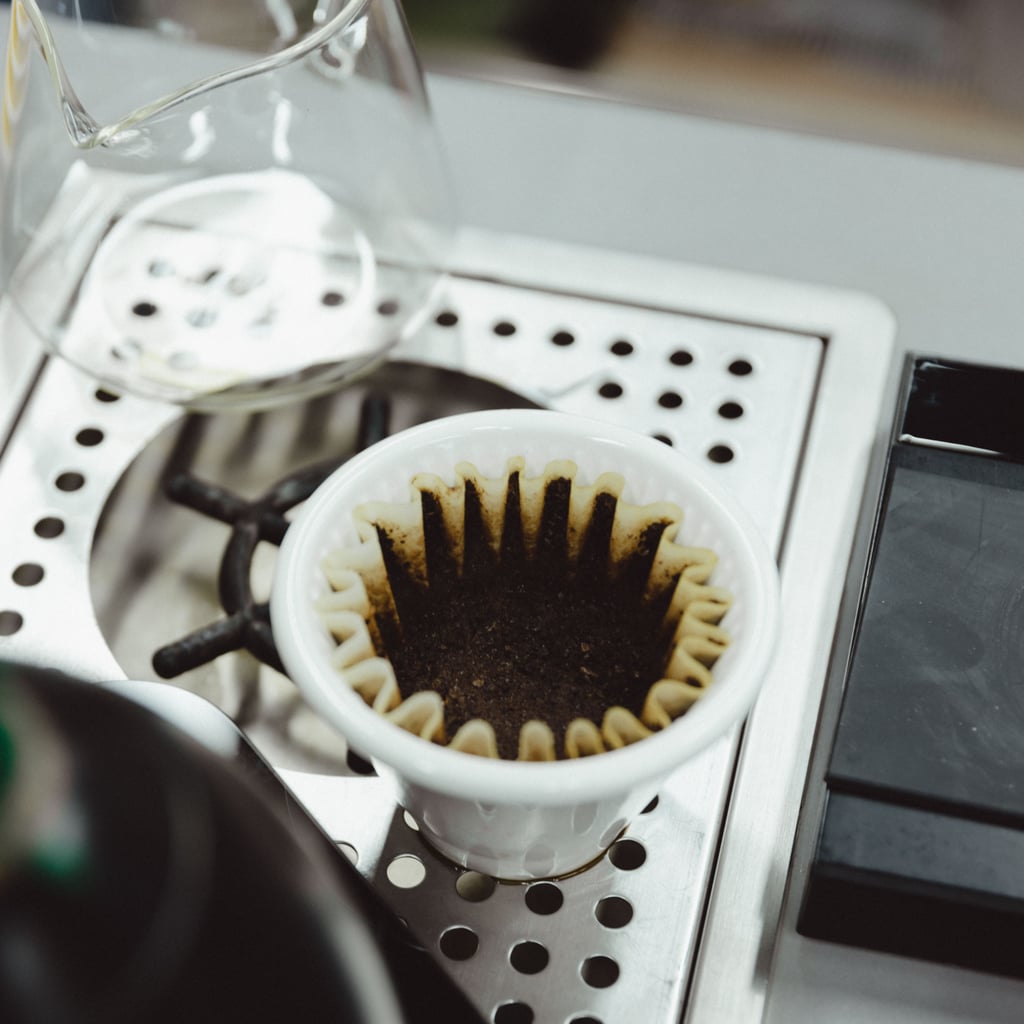
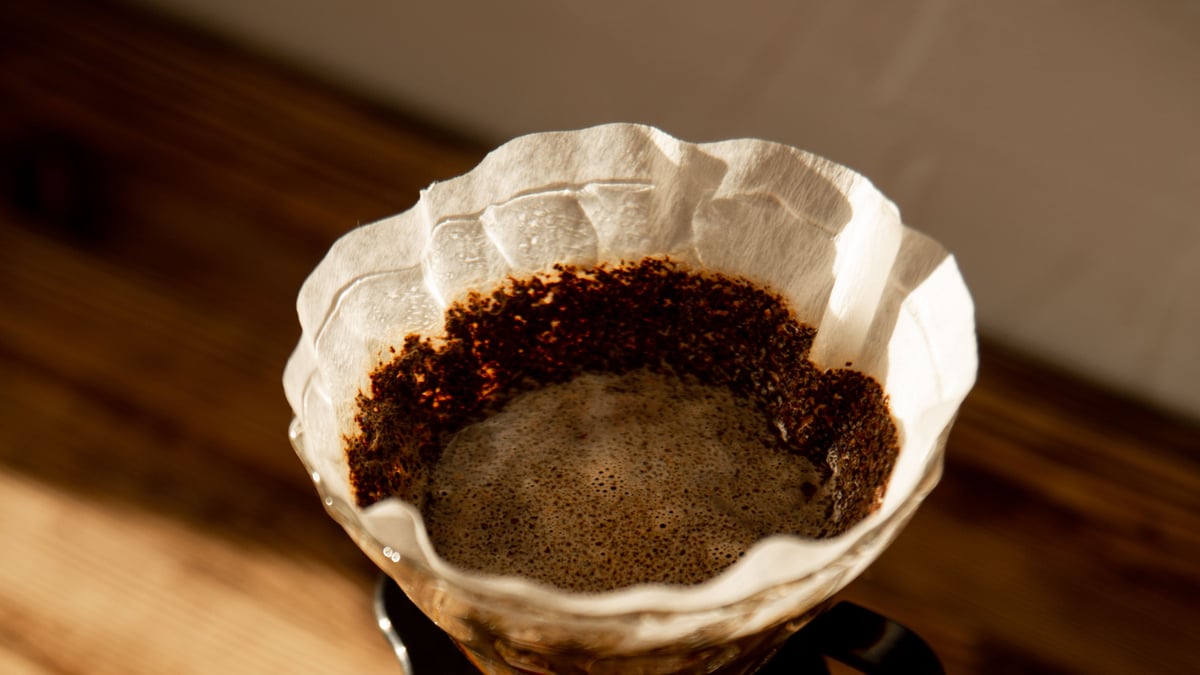
Photo: Usman AbdulrasheedGambo on Pexels. The pleated paper illustrates a different filter shape. The photograph does not establish a product model or certify compatibility.
Begin the recipe with an empty receiving vessel
Once preparation is finished, check that the receiving vessel is empty and ready for the brew. Place the equipment on the scale as your recipe requires, then zero it at the appropriate point. Keeping this moment consistent prevents a small preparation step from becoming a confusing measurement.
Use one recipe you already trust while learning a new packet of compatible filters. Write down the coffee dose, brewing water and grind setting. Our brew ratio calculator can help with the amounts when you deliberately change batch size.
As a simple arithmetic example, a 1:16 coffee-to-water ratio with 20 grams of coffee calls for 320 grams of brewing water. The calculation is 20 multiplied by 16. Water used for a preliminary rinse is separate. This is a measurement example, not a claim that the ratio suits every brewer, coffee or drinker.
Keep the recipe within the capacity and instructions of your equipment. A correctly matched filter does not make an undersized brewer suitable for an arbitrarily large batch.
Compare a change without changing everything
When you try another compatible paper, keep a short note rather than building a scoring system. Record the packet name, your usual recipe, the approximate brew time and what you thought of the drink. Plain observations such as clear, heavy, pleasant or drying are enough if those words help you remember it.
Hario’s published technique notes that paper affects drawdown. That makes a new packet worth recording, but a different brew time is not proof of a defective filter. Check preparation and repeat the recipe before deciding what to adjust.
Try this sequence:
- Confirm the new packet is suitable for the brewer.
- Follow its folding and seating instructions.
- Use the same coffee dose, water amount and grind setting as your comparison brew.
- Note the timing and taste after brewing.
- Choose one adjustment for the next cup if you want a change.
This is a practical comparison routine, not a laboratory test. You do not need to assign a numerical quality score or decide which paper is best for everyone. The useful result is knowing which combination you want to repeat.
Put the packet where it stays identifiable
Choose a clean, dry place near the brewing area where the packaging remains readable. Keeping the filters in their packet is a convenient starting point. If you use a holder, retain the product label with the reserve supply so the next purchase is easy to identify.
Avoid mixing loose filters from different packets just to fill the holder. For a shared kitchen, label supplies by brewer rather than by the person who bought them. Someone making the morning coffee should be able to select the right paper without comparing several anonymous stacks.
Our home coffee station checklist can help with the wider equipment layout. For the filters themselves, one recognizable packet and a reachable place are enough. A decorative organizer is optional.
Leave one useful note for the next cup
Before discarding an empty packet, update your shopping note with the exact replacement. Save any preparation detail you had to look up, such as the appropriate folding guide. If two people use different brewers, keep two clearly named entries.
After a few cups, ask whether the paper is easy to find, fits without improvisation and is straightforward to prepare. If those answers are yes, keep the arrangement. Your next improvement may simply be making the same enjoyable cup again, with one less small decision at the counter.
Frequently asked questions
Can I choose paper filters by appearance alone?
Confirm the brewer model, size and filter compatibility information. A similar shape does not establish a match.
Does rinse water count in the brewing ratio?
In the measurement example here, discard the preliminary rinse water safely before measuring the water used to brew the coffee.
Do the photos prove which filter fits my brewer?
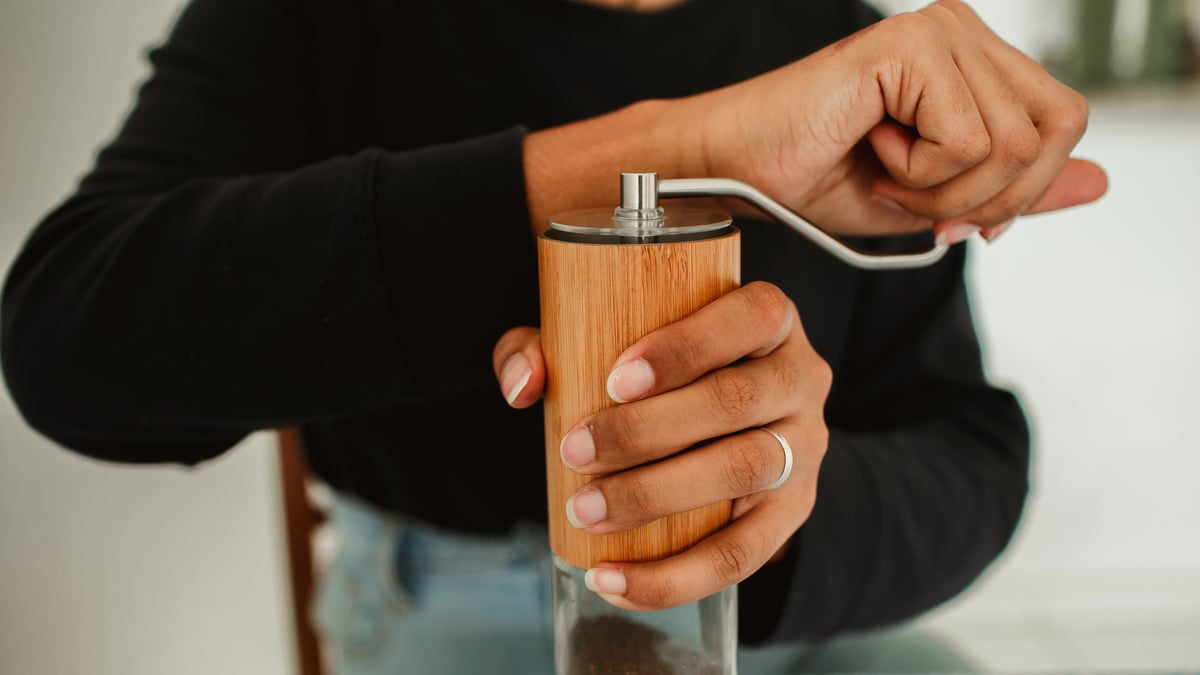
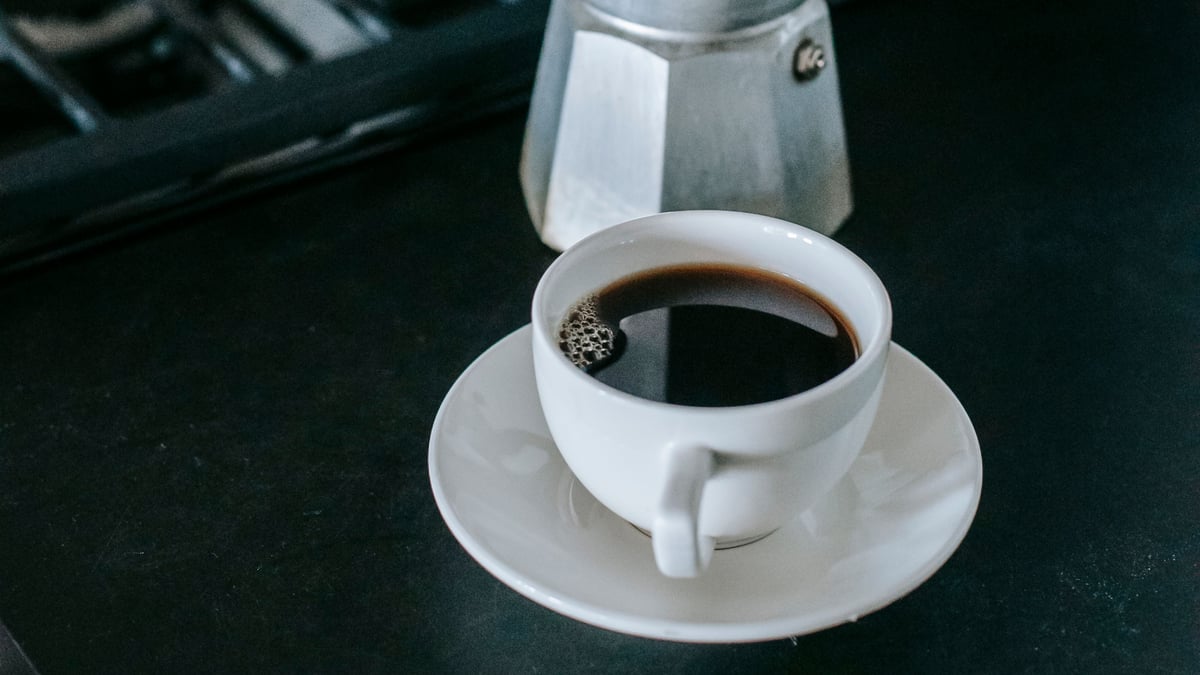
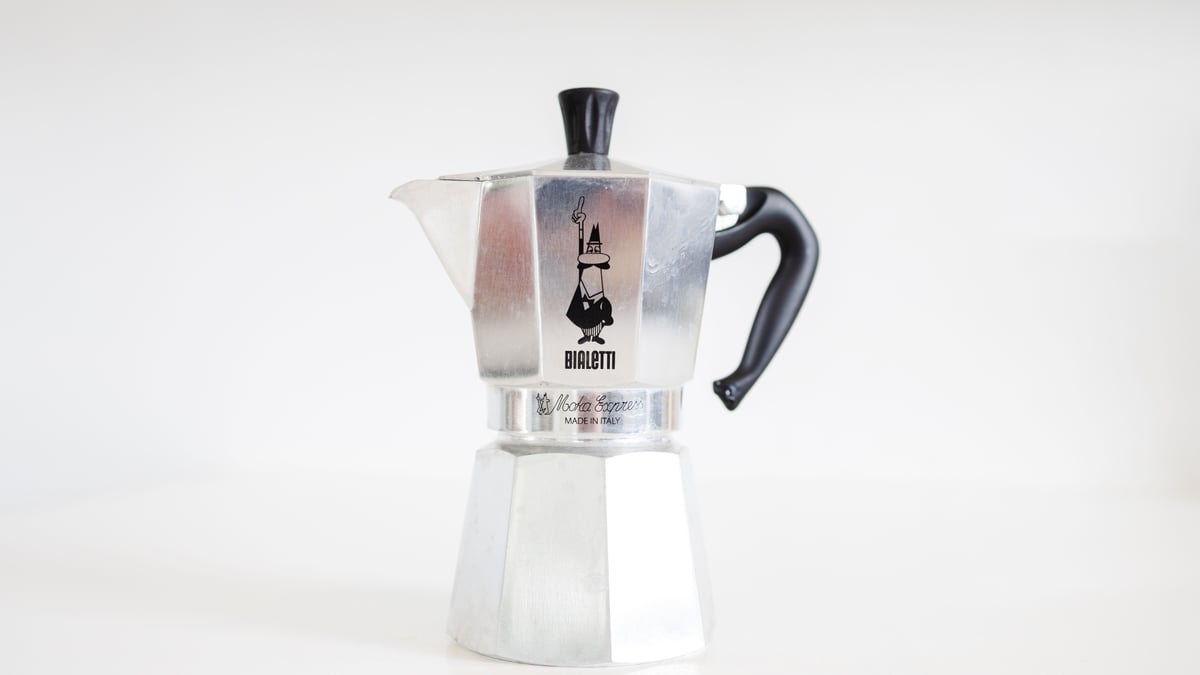
No. They illustrate paper filter shapes and brewing equipment. Check the manufacturer instructions for your own products.
Tools and gear mentioned
Coffee Brew Ratio Calculator
Coffee-to-water for pour-over, French press, AeroPress and espresso.
Photo credits
Photo (pin 1): Vladimir Gladkov on Pexels, Pexels License
Photo (pin 2): Vladimir Gladkov on Pexels, Pexels License
Photo (inline 1): Usman AbdulrasheedGambo on Pexels, Pexels License