A plant can look perfectly placed beside a reading chair and still be sitting in the wrong light. The useful question is not whether greenery would suit the corner. It is whether the leaves can receive the light that particular plant needs while the room stays comfortable to use.
Start with the window, then choose the plant and its stand. This guide offers a small observation routine for a U.S. home, followed by practical placement and watering checks. It is not a growing trial, a plant diagnosis or a promise that every north-facing room behaves the same way.
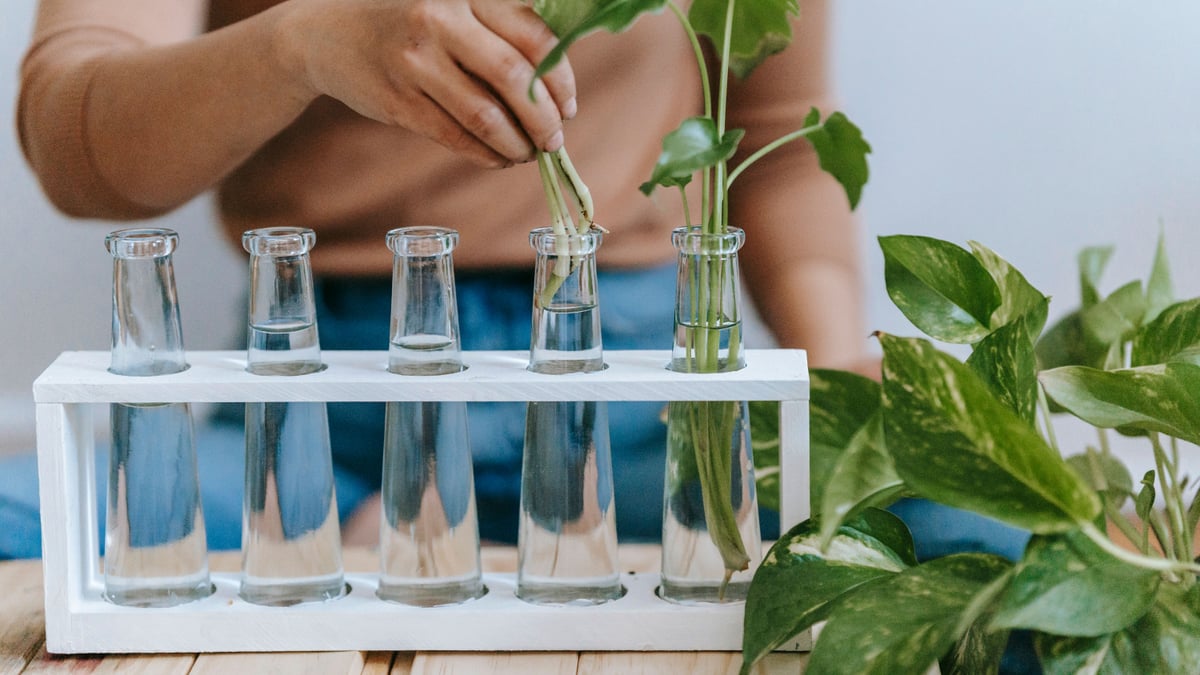
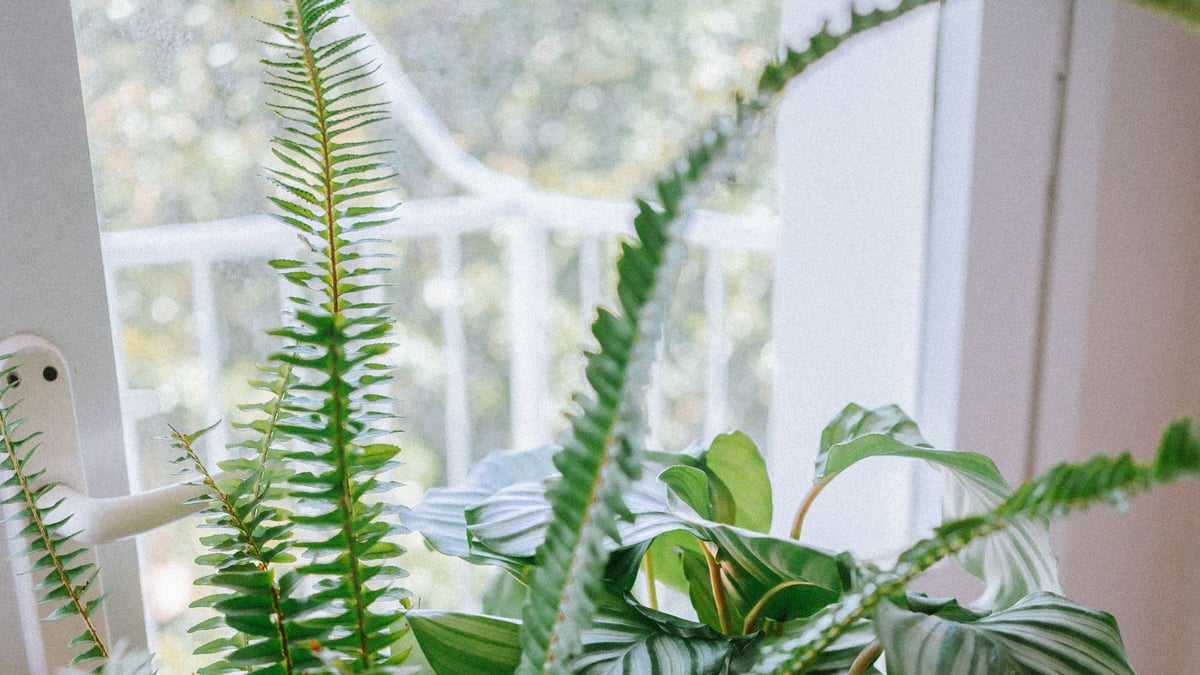
The photographs illustrate plants beside windows. They do not establish a window’s compass direction, measured light level or the long-term health of the plants shown.
Watch the space before filling it
Choose two possible positions: perhaps the sill beside your chair and a small table farther into the room. Leave both clear for a day when you can look at them more than once. Keep the curtains and blinds in their usual positions, rather than opening everything only for the inspection.
Make three short visits, in the morning, around midday and later in the afternoon. At each visit, note whether a sunbeam actually reaches the proposed leaf position. A patch of sun on the floor does not tell you that a plant on a higher shelf receives the same exposure.
Record what you can see in plain language. For example: direct sun reached the sill during the morning visit; the table stayed shaded; the blind was half closed. These notes describe your room on that day. They are not a precise measurement of daily sunlight hours.
On an overcast day, note the weather and repeat the observations when conditions differ. A photograph can help you remember the layout, but do not compare camera brightness settings as if they were light-meter readings.
Use window direction as a starting clue
The University of Minnesota’s indoor-lighting guidance recommends assessing available natural light before selecting plants. Its broad categories associate lower light with north-facing windows, medium light with east-facing windows or positions near west windows outside direct sun, and high light with bright south or southwest exposures.
For a U.S. room, use those directions to begin a comparison, not to skip the observation. A porch roof, tree or neighboring building can change what arrives through the glass.
| Starting position | Useful question to ask there | What to write down |
|---|---|---|
| North-facing window | Is this spot genuinely dim throughout the day? | Obstructions and the actual leaf position |
| East-facing window | Does morning sun reach this surface? | Where the beam lands during your visits |
| West-facing window | Is the proposed spot in direct afternoon sun? | Blind position and any shade |
| South-facing window | Is the exposure open or blocked? | Roof overhangs, nearby buildings and sunlight patches |
This table is a room-survey prompt, not a plant prescription. Do not buy four different plants simply to fill four directions. One suitable location is enough to begin.
Separate daylight from a direct sunbeam
A bright-looking room and a leaf sitting in direct sun are not the same situation. Look at the plant position itself. Is sunlight falling on the leaves, or is the spot receiving daylight without that direct beam?
The University of Maryland’s lighting guide explains that curtains, screens, seasons, weather, trees, buildings and glazing all affect indoor light. It also cautions that excessive direct sunlight can damage plants; moving a plant farther from the window or using a light shade can reduce exposure when needed.
Use your normal household routine in the decision. If the blind stays closed during your afternoon calls, choose for that arrangement. A theoretical sunny window is not useful if the leaves spend the relevant hours behind a closed covering.
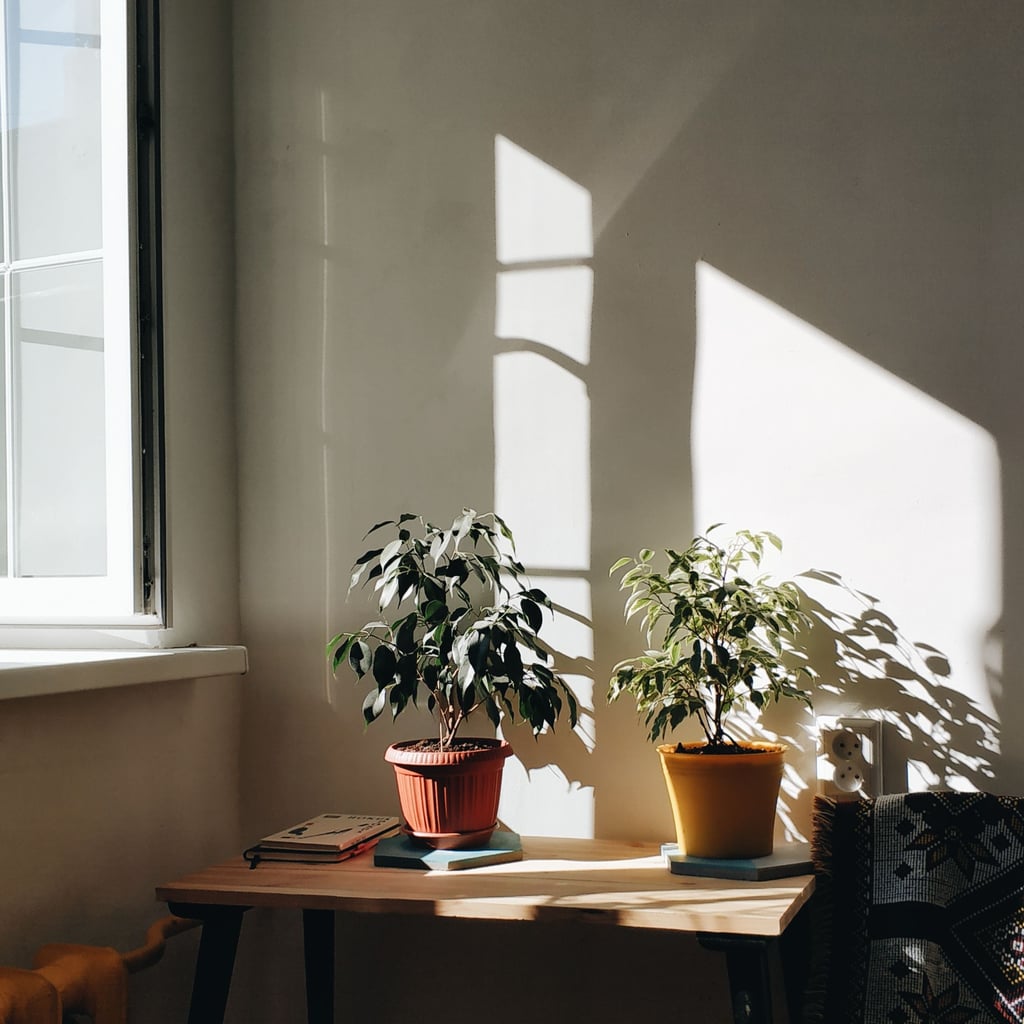
Photo: Inga Seliverstova on Pexels. The photograph illustrates how placement and window light share a space; it is not a measured lighting example.
Check the shelf, not only the room
Maryland also notes that light intensity falls as distance from the source increases. A plant deep in a room does not receive the same light as one beside the window, even when both belong to the same cozy corner.
Before purchasing a stand, compare its intended height with the sill and nearby furniture. A chair back or tall cabinet might sit between the leaves and the window. Place an empty pot or another safe marker where the container would go, then look at that specific position during your observation visits.
Do not solve the styling problem by pushing the plant into the darkest remaining gap. If the chair needs the window-side space, let the plant occupy a different suitable part of the room. Our rental-apartment cozy corner guide covers the broader furniture arrangement; this decision is specifically about the plant’s location.
Match a named plant to the observed conditions
Bring your notes when choosing a plant. Ask for its botanical name and species-specific light and care guidance, rather than relying only on a label such as easy care. Check household suitability separately, including any concerns involving pets or children.
Minnesota lists plants by light category, including cast iron plant among lower-light options, spider plant among medium-light options, and cacti and succulents among higher-light options. Those categories are starting points for looking up the particular plant, not instructions to treat every variety identically.
You can leave the corner empty while you investigate. Buying the pot first often makes the plant feel like the final decorative ingredient, when the living plant should be the reason for choosing the position and container.
Keep the identification label or save the care information with the plant’s name. That gives you something specific to consult when its needs differ from another plant already in your home.
Make watering possible without soaking the furniture
Placement affects more than appearance. Clemson’s indoor-watering guidance explains that a warm, sunny location can need more frequent watering than a cool, low-light one. Plant type, container and potting mix also matter. A fixed weekly pour is not a substitute for checking the plant.
Use the moisture checks appropriate to its species. Clemson describes feeling the potting mix and noticing changes in pot weight as useful checks. When watering is needed, its general guidance is to water thoroughly, allow drainage and empty collected runoff rather than leave the pot standing in water.
For the corner itself, plan the route to your watering place. Can you lift the container without catching a trailing stem on the lamp? Can you remove a nursery pot from its decorative cover? If the plant is too heavy to move comfortably, decide how you will collect and remove runoff before installing it.
Use a suitable protective saucer or cover and check the surface beneath it. Do not assume an attractive outer pot is watertight. Keep the watering operation separate from nearby books, electrical equipment and the cup you are drinking from.
Leave enough room to live beside it
Try one plant before building a collection. Sit in the chair, open the blind and reach for the window handle. The leaves should not make ordinary movements awkward, and the container needs a stable place where it will not be casually knocked over.
Make a small placement note with these details:
- The plant’s name and where its care guidance is saved.
- The window and the pot’s actual position.
- What sunlight reached that position during your observations.
- How the blind or curtain is normally used.
- Where you will water and empty runoff.
- What would prompt another placement check.
The note can stay on your phone. Its purpose is to make the arrangement understandable, especially when another household member helps with care.
Revisit the decision when the room changes
Maryland identifies stretched growth, leaning and poor growth among possible signs of insufficient light. These observations are reasons to investigate, not a complete diagnosis. Check the plant’s specific guidance and other conditions before treating every yellow or damaged leaf as a lighting problem.
Review the position when daylight conditions change, the curtains change, or furniture moves. Repeat your observations at the leaf position rather than assuming the original description still applies.
A successful plant corner does not need to resemble a wall of greenery. It needs a suitable living place for the plant and a usable space for you. When those two requirements agree, the pot and stand become much simpler choices.
Frequently asked questions
Does a south-facing window always mean direct sunlight?
No. Buildings, trees, roof overhangs and window coverings can change the actual exposure. Observe the intended leaf position instead of relying only on compass direction.
Can I water every plant in the corner on the same day?
Use each plant's species-specific care guidance and check its potting mix. The location, container, mix and plant type all affect watering needs; a shared calendar does not establish that every pot needs water.
Do the photos show tested plant placements?
No. They illustrate plants beside windows, not measured light levels, verified compass directions or a documented growing trial.
Photo credits
Photo (pin 1): Jenny Mavimiro on Pexels, Pexels License
Photo (pin 2): Jenny Mavimiro on Pexels, Pexels License
Photo (inline 1): Inga Seliverstova on Pexels, Pexels License