The color catches your eye first. Then you turn the yarn over and find a small band crowded with numbers, abbreviations and symbols. Before taking it to the checkout, use that label to answer a few practical questions: does this yarn suit the pattern, is there enough of it, and will you want to care for the finished piece?
You do not need to memorize every mark before starting a cozy project. Read the information in a useful order, compare it with the pattern, and keep the band after opening the skein. It is the reference you may need when buying more yarn or washing the finished item.
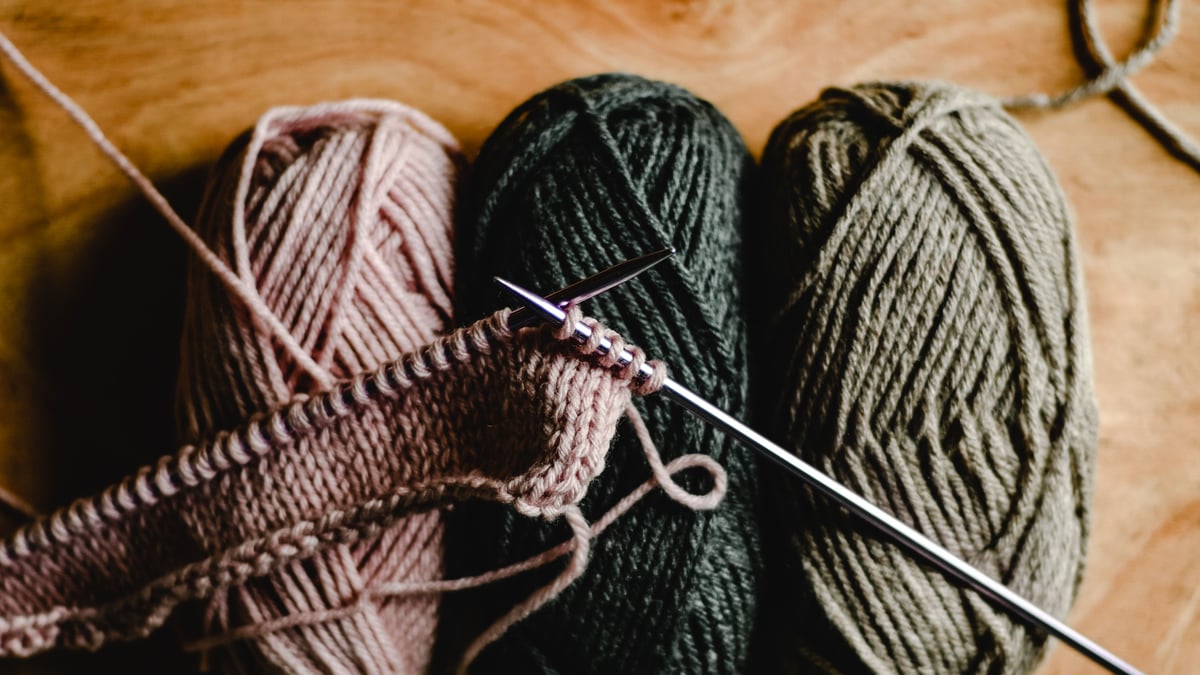
The photographs illustrate yarn and knitting materials. They do not identify a verified fiber blend, yarn category or product label, and they are not examples of tested substitutions.
Put the pattern beside the yarn
If you have chosen a pattern, open its materials section before deciding how many skeins to buy. Find the named yarn, specified category, total length, tools and gauge information. Check which size or version of the project those requirements describe.
If you have only chosen the yarn, keep the label information available while looking for a suitable pattern. A project selected around the yarn you own is a different task from replacing the yarn in an existing design. Keeping that distinction clear can prevent a casual purchase from becoming an uncertain substitution.
Write down the questions you cannot answer. A shop assistant or pattern designer can respond more usefully to the actual yarn name and pattern than to a description such as soft gray yarn for a blanket.
Separate the yarn category from the skein’s mass
The Craft Yarn Council’s yarn questions and answers distinguishes yarn weight classification, which describes the yarn’s size or diameter, from how much the skein weighs. A category number and a gram amount are not interchangeable measures.
For example, a label might show a category alongside 100 g. Read those as two separate facts, not as alternative ways to describe thickness. Also find the stated length rather than deciding that two equally heavy skeins must contain equal amounts of yarn.
Make a short comparison note instead of relying on the color name alone:
| Label detail | Question it helps you answer |
|---|---|
| Brand and yarn name | Which product am I comparing or buying again? |
| Fiber content | What is the stated composition? |
| Yarn category | How does its size classification compare with the pattern? |
| Length per skein | How much usable length is being sold? |
| Color and dye lot | Am I checking the intended shade and batch? |
| Gauge and care information | What needs checking before making and maintaining the piece? |
These fields work together. No single number in the table establishes that a yarn will produce the result shown in a pattern photograph.
Read the fiber line without guessing from appearance
Look for the composition on the actual band or the manufacturer’s product information. Do not decide that a yarn is wool, cotton or acrylic because its surface looks familiar. The gray yarn in a stock photograph cannot tell you what is in the skein on your shopping list.
Copy the composition if you are comparing two possible purchases. Then read each product’s care instructions and the pattern’s guidance. Consider the finished item’s job: a decorative hanging, a scarf and something intended for frequent washing give you different practical questions to resolve.
If an instruction or care symbol is unclear, use the manufacturer’s explanation before proceeding. Avoid replacing an unknown symbol with the washing routine you use for a different yarn. A clear answer before purchase is more useful than a guess after the project is finished.
Use the length to calculate the number of skeins
Lion Brand’s guidance on yarn quantities emphasizes yardage when working out amounts. It notes that equal weights of different yarns can contain different lengths.
Start with the pattern’s stated total length and the length per skein of the yarn you are considering. Keep the units the same. Do not divide a requirement in yards by a label value in meters without making a checked conversion first.
Here is a hypothetical shopping calculation, not a tested project’s yarn requirement:
- The pattern calls for 450 yards.
- The selected yarn label states 180 yards per skein.
- Divide 450 by 180 to get 2.5 skeins.
- Round up to three whole skeins, which contain 540 yards in total.
The arithmetic leaves 90 yards above the stated requirement. That is not a guarantee of spare yarn in the finished project. Follow the pattern’s allowances, including any guidance for swatching, size changes or extra material, and consider whether the intended substitution has been properly checked.
If the pattern gives only a skein count for its original yarn, look up that product’s stated length before treating the same count of another yarn as equivalent.
Check the dye lot before splitting the purchase
The shade name tells you which color you selected. The batch information answers a different question. Lion Brand explains dye lots as batches in which yarn is dyed and warns that different batches can vary in color.
For a project where you want a consistent shade, check the labels together and buy the required amount from the same lot when available. Keep the actual numbers rather than assuming matching names on a shelf are sufficient.
If you need more later, take the retained band and some of the yarn when seeking advice. Do not assume a later order can reproduce the original batch. If a label states no dye lot, keep that information too rather than inventing a missing number.
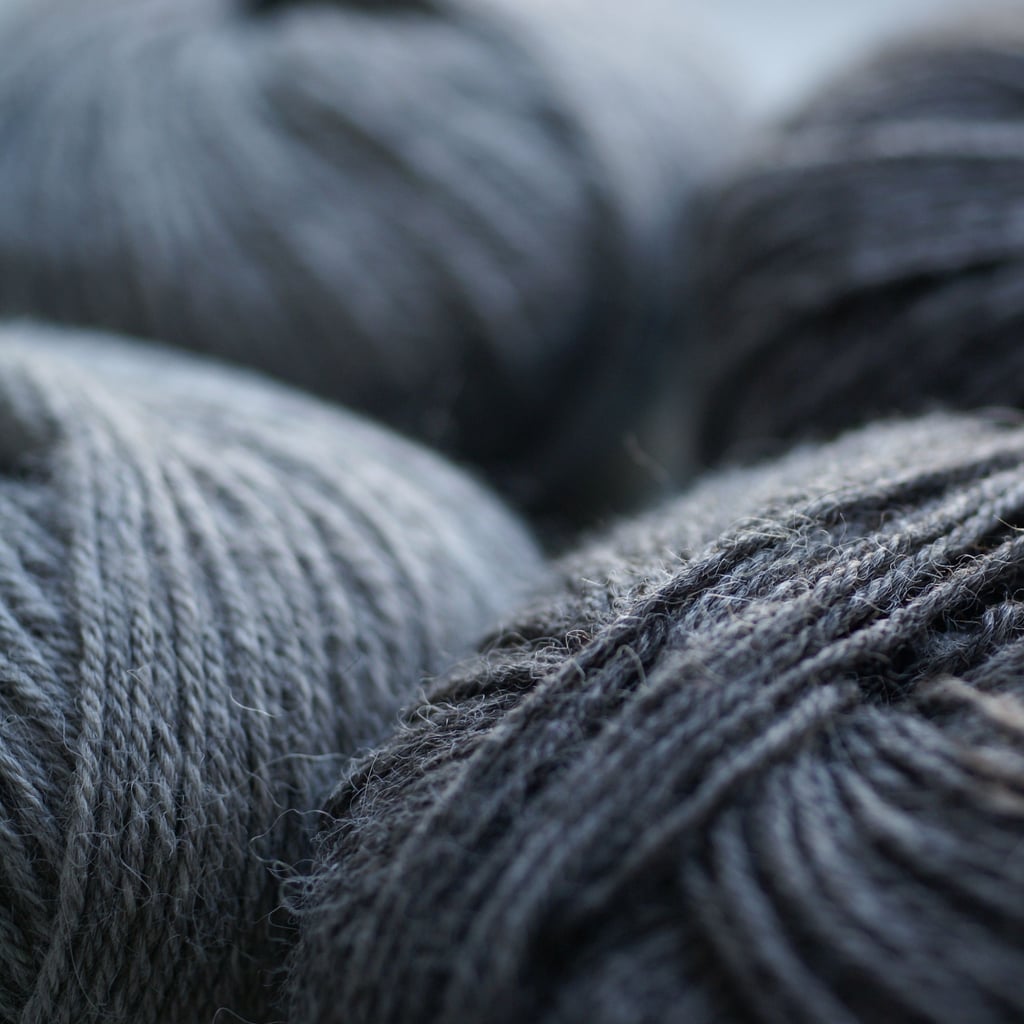
Photo: Helga on Pexels. The photograph shows yarn texture; verify composition, category and batch on the yarn you actually buy.
Treat the category as a starting point, not substitution approval
The Craft Yarn Council’s standards FAQ specifically cautions against using its weight system as an interchangeability chart. It calls for a knitted or crocheted gauge swatch when checking a substitution, and notes that softness and drape also matter.
Read the pattern’s swatching instructions alongside the label’s tool and gauge information. Record the actual yarn, tool and result when you make that check. A label cannot report how you will work the pattern’s particular stitch with your own technique.
If you are not ready to evaluate substitutions, choosing the yarn specified by the pattern can reduce the number of decisions to investigate. You still need to follow the pattern and check the required gauge; a product name is not a record of your finished measurements.
Save one band where you can find it
Before discarding packaging, keep a readable label with the project. A small envelope, a project notebook or a clear photograph can preserve the information. If you photograph it, capture every relevant side rather than only the attractive front.
Label the record with the project name so it is useful later. Add the purchase quantity and keep any swatch notes nearby. When the work is finished, retain the care information instead of separating it permanently from the item.
For a relaxed making session, our weekend craft ideas can help you choose an activity, while the starter junk journal guide offers another use for a notebook you already have. Keep important yarn records accessible rather than cutting up the only copy for decoration.
A yarn label does not need to make the project complicated. Use it to replace a few assumptions with specific information, check the decisions that remain uncertain, and keep the details that will help you finish and care for what you make.
Frequently asked questions
Does 100 g tell me the yarn thickness?
No. The skein’s mass and yarn size classification answer different questions. Read the category and stated length separately.
Can I swap any yarn in the same category?
The category alone does not establish a suitable substitution. Follow the pattern and check a gauge swatch, along with other relevant yarn properties.
Is the three-skein example a tested project requirement?
No. It is a hypothetical calculation: 450 yards divided by 180 yards per skein is 2.5, rounded up to three skeins totaling 540 yards.
Photo credits
Photo (pin 1): Eva Bronzini on Pexels, Pexels License
Photo (pin 2): Eva Bronzini on Pexels, Pexels License
Photo (inline 1): Helga on Pexels, Pexels License
Sources
- https://media.craftyarncouncil.com/top10qa.html
- https://support.lionbrand.com/support/solutions/articles/17000035227-how-much-yarn-do-i-need-for-a-particular-pattern-
- https://support.lionbrand.com/support/solutions/articles/17000035215-what-are-dye-lots-can-i-order-more-of-the-same-lot-
- https://www.craftyarncouncil.com/standards/faqs