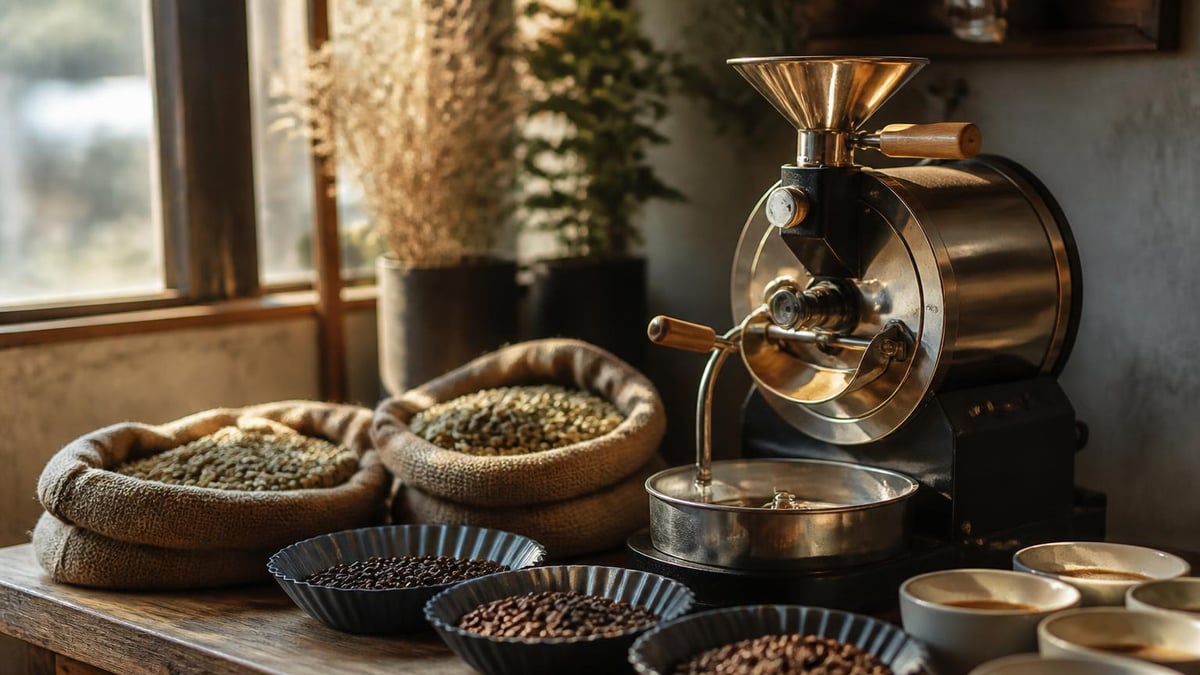
Origin roasting means the roast happens close to where the coffee was grown instead of shipping green beans to a distant roastery. That shifts when the cup gets made, which flavors are most obvious, and who pays for roasting, packaging, and export risk.
Direct answer: what origin roasting means and why it matters
Origin roasting is roasting green beans in the producing region or country - on-farm, at a cooperative roastery, or an exporter-run roast house - before packaging for local sale or export. The shorter time between processing and roast can preserve fragile aromatics and bright fruit notes for the consumer. The trade offs are scale limits, potential roast inconsistency, and different logistics and costs that move responsibility away from destination roasters and toward producers or exporters.
Short version for shoppers: if you care about traceability and fresh, origin-forward flavor, origin roasting is worth investigating. It does not guarantee better coffee. Taste depends on roast skill, roast date, packaging, and export handling.
What counts as origin roasted beans
Origin roasting defined
Origin roasted means:
- Green coffee is harvested, processed, dried, and moved a short distance to a roastery inside the producing region or country.
- The roast is performed at that nearby facility and the roasted beans are packaged for export or local sale.
- The roastery can be a micro-roaster on a farm, a cooperative roastery, or an exporter-run roast house.
Roast at origin vs roast at destination
- Roast at origin: roast point is in the producing country or region, often near the farm, mill, or port.
- Roast at destination: green beans travel to another country and are roasted closer to the consumer market.
Typical origin roast profiles
Many origin-roasted coffees are roasted light to medium to preserve acidity, floral notes, and processing-derived fruit character. Roasters often stop development around the end of first crack or early into the Maillard stage so washed, natural, or honey processing remains obvious in the cup.
Supply chain elements to check before you buy
- Origin farm: look for farm or cooperative name, elevation, and processing style.
- Green-bean processing: washed, natural, or pulped-natural; drying on raised beds or patios changes what the roast should preserve.
- Shipping and transit: roasted beans still go through export channels. Transit can include truck time to port, export clearance, and ocean freight.
- Roasting site location: on-farm, village roastery, or port-city roast house. The closer the roaster to the processing site, the shorter the time between cherry and roast.
- End-user handling: some origin-roasted beans are sold locally; others are exported as roasted product.
Specific points to demand on a package or from a supplier:
- Roast location and roast date. If you can get a roast date, use it to estimate freshness.
- Farm or cooperative name and processing method.
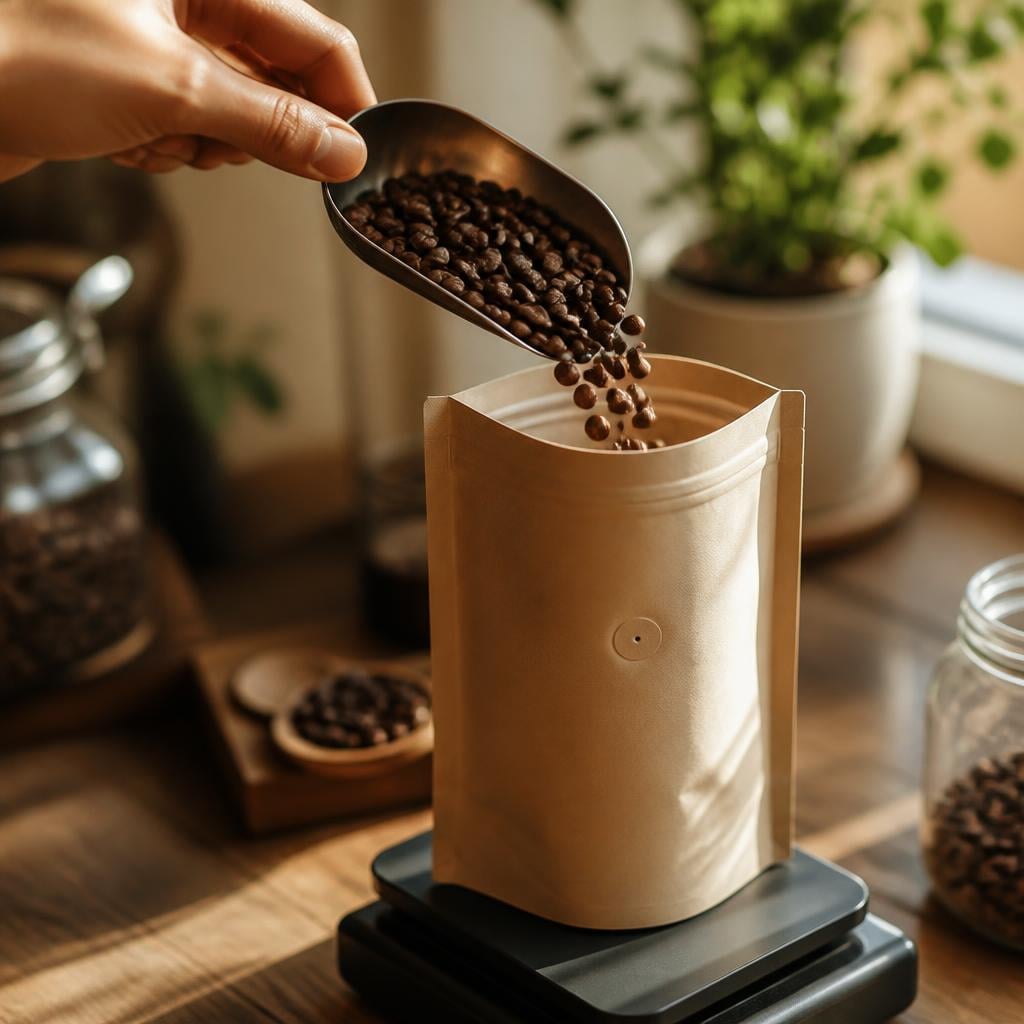
- How beans are packaged for export - one-way-valve bags or nitrogen flush are common.
- Typical time between roast and arrival in your market.
- Who performed cupping and whether there are pre- and post-roast tasting notes.
Flavor, roast level, and origin traits
How roast level interacts with origin characteristics
Lighter roasts preserve volatile acids, floral notes, and fruit esters. If a high-elevation washed lot has bright acidity, a roast at origin that ends shortly after first crack will likely highlight that. Darker roasts flatten distinct processing effects, so origin roasting tends to favor lighter approaches that show terroir and process.
Why roasting close to origin can highlight certain notes
Roasting near the farm reduces the time volatile aromatics spend in transit after roast. That can keep fruit and floral notes clearer at the point of sale compared with beans that are roasted far away, shipped, then sit in a warehouse. The flip side is roast control: uneven development at a small origin roastery will blunt delicate notes faster than a carefully controlled destination roastery.
Roast-profile examples
- High-elevation, washed coffee: light-medium roast; focus on first crack and stop development soon after for brightness.
- Natural-processed, fruit-forward lots: shorter Maillard stage; avoid pushing to second crack to keep esters intact.
- Heavier-bodied coffees: medium roast to bring forward cocoa and caramel while keeping origin sweetness.
Sustainability, freshness, and risk
Transportation footprint and energy use
Roasting at origin can cut the need to ship green beans long distances and may lower shipping weight if roasted beans are sold locally. If roasted beans are exported, that shipping still happens. Energy use varies: small roasters often run less efficient machines, which raises local fuel or power use and costs.
Freshness risk shifts
- Destination roasting: green beans are stable in good storage; the clock starts when the roast happens at destination.
- Origin roasting: fragile aromatics are preserved at roast, but roast-to-shelf time depends on export logistics. Delays in ports or clearance can erode the freshness advantage.
Storage and shelf life notes: use roasted beans within 2 to 4 weeks for peak aromatics. Very delicate, fruit-forward lots feel best within 1 to 2 weeks of roast. Proper packaging - one-way valve bags or nitrogen flush - slows staling, but temperature swings and humidity during transport still matter.
Risk mitigation options
- Small-batch roast-and-ship schedules.
- Nitrogen flush or one-way-valve packaging.
- Local inventory buffers in destination markets.
- Clear roast dates and transit timelines from suppliers.
Pricing, economics, and market availability
Origin roasting adds costs: roaster purchase, fuel or power, trained staff, packaging, and export handling. Those costs sometimes appear as a per-kilogram premium, sometimes they are shared across buyers, exporters, and farmers.
Expect more seasonality and smaller lots from origin roasters. If you want year-round availability and consistent blends, destination roasters with scale are more likely to provide that. If you want single-lot clarity and are comfortable with seasonal supply, origin roasting can be appealing. For a closer look at when price moves past value, see At What Price Does Expensive Coffee Stop Being Worth It.
Quality control and labeling
Cupping at origin is usually done by exporters, farm managers, or visiting buyers. Some programs cup both green and roasted samples. Consistency is measured with roast logs, sample roasts, and repeated cuppings. Documentation that matters: roast date, roast location, cupping notes, and photos or video of roastery operations.
Verification methods include roast-date labels and third-party audits in some programs. If verification matters, ask for documentation.
Consumer-facing guidance
How to identify origin roasted beans
- Look for a roast location and roast date on the bag.
- A roastery name in the producing country or a farm-cooperative roaster name is a strong indicator.
Storage best practices
- Keep beans in a cool, dark place in airtight bags with a one-way valve.
- Buy smaller quantities and use them within 2 to 4 weeks for general lots, 1 to 2 weeks for delicate fruit-forward lots.
Recommended brew methods
Light to medium origin roasts reward filter methods - pour-over, V60, Chemex - which show clarity and acidity. Espresso can work, but you will need to dial extraction carefully so delicate notes do not become bitter. For equipment notes and grinder choices, see Are Burr Grinders Worth It for French Press?.
If you want regular notes on what I am brewing and how I use origin lots, I write about picks and routines in What I’ve Been Brewing This Week.
Common pitfalls and questions to ask
- Do not assume origin roasted beans automatically taste better. Ask for roast dates and sample notes.
- Ask about export timelines. Roasted beans can sit in ports or customs.
Questions to ask a supplier
- Where was this coffee roasted and on what date?
- What processing and drying methods did the farm use?
- Who did the cupping and are there pre- and post-roast tasting notes?
- How are the beans packaged for export and how long to arrival in my market?
Practical steps when choosing origin roasted coffee
- Check the label for roast location, roast date, and farm/processing details.
- Ask the seller how long between roast and arrival.
- Match brew method to roast level: lighter to filter, medium to dialed espresso.
- Buy smaller quantities and use within 2 to 4 weeks; 1 to 2 weeks for fragile lots.
- Compare premiums and ask how costs are split across the supply chain.
- Prefer roasters that provide cupping notes and roast logs.
Pros and cons table
| Category | Origin roasted | Roasted at destination |
|---|---|---|
| Freshness potential | Preserves delicate aromatics if roast-to-sale is short | Roast date closer to retail can mean fresher post-roast shelf time |
| Flavor control | Highlights processing and terroir with lighter profiles | Greater scale and consistent roast profiles across lots |
| Cost | Can carry a premium due to local roasting investments | Lower per-unit cost from scale, but blending can obscure single-origin traits |
| Availability | Smaller lots, seasonal variability | Easier to scale year-round and blend for consistency |
| Verification | Requires roast-date and roastery location documentation | Easier to audit large roasters; origin claims tied to green-bean traceability |
Case notes
Real-world origin-roasted programs vary. Some are farm-level micro-roasters selling locally and exporting small roasted lots. Others are exporter roasteries run to add value before sale. If you are evaluating a program, ask for roast dates, photos of the roasting setup, and recent cupping notes. For consistency questions about processed coffees, this post is relevant: How Consistent Are Co-Fermented Coffees Batch to Batch.
Frequently asked questions
What is origin roasting and how does it differ from destination roasting?
Origin roasting is roasting green beans inside the producing country or region, often near the farm or mill. Destination roasting ships green beans to another country and roasts them closer to the consumer. The main difference is where roast and early post-roast handling happen, which affects timing between roast and cup and who manages roast quality.
Does origin roasting always taste fresher or better?
No. Origin roasting can preserve fragile aromatics if packaging and export are smooth, but poor roast control or delayed export can negate the advantage. Flavor depends on roast skill, roast date, packaging, and transit.
How can I tell if a coffee was origin roasted by looking at the bag?
Look for a roast location and roast date on the bag. A roastery name in the producing country or a farm-cooperative roaster name indicates origin roasting. If the bag lists only the green-bean origin and a roaster in your city, it was likely roasted at destination.
What should I ask a seller about origin-roasted beans?
Ask where and when the coffee was roasted, who performed cuppings, how beans are packaged for export, and the typical time from roast to arrival in your market.
How should I store and brew origin-roasted beans?
Store in a cool, dark place in airtight bags with a one-way valve. Use general lots within 2 to 4 weeks of roast; use delicate fruit-forward lots within 1 to 2 weeks. Brew light to medium origin roasts with filter methods for clarity; dial espresso shots carefully.
Tools and gear mentioned
Coffee Brew Ratio Calculator
Coffee-to-water for pour-over, French press, AeroPress and espresso.
Cost Per Cup Calculator
What your home coffee really costs versus the café.
Coffee Station Budget Planner
Pick a space and a budget tier and get an itemised shopping list.
Caffeine Calculator
Caffeine per drink and your daily total against the 400 mg guideline.